Pessimism

How I learnt to stop worrying and love pessimism

From our UK edition

I was on friendly terms with Rod Liddle for quite a few decades. He applied for the job I got when I was 17 at the New Musical Express, which kicked off my writing career. Though I wouldn’t claim we were bezzie mates, we had a lot of the same friends and we met up in a couple of group lunches and had a laugh. So I was surprised at my lack of grief when he died. (Apparently he too was remarkably sanguine about his ending.) My overwhelming feeling was: ‘Good for Rod – he escaped!’ It’s the first time I can recall feeling that way about the premature death of someone I knew a bit and liked a lot. Why, I wondered, did I react like this?


Will we ever stop predicting the end of civilisation?

From our UK edition

In the sphere of British environmentalism, Paul Kingsnorth is admired as a maverick in thought and deed. Starting out as a journalist with the Ecologist magazine, he co-founded the Dark Mountain Project, an online portal devoted to stories about the more-than-human world in a time of ecological collapse. On resigning from both, he retreated as a self-proclaimed ‘recovering environmentalist’ to an Irish smallholding, where he has embraced the Romanian Orthodox church. Against the Machine, his tenth book, is billed as a summary of his intensifying disillusionment with events in the past 30 years. It is a serious work leavened with sardonic humour and is by turns rich in unsettling ideas and deeply pessimistic.

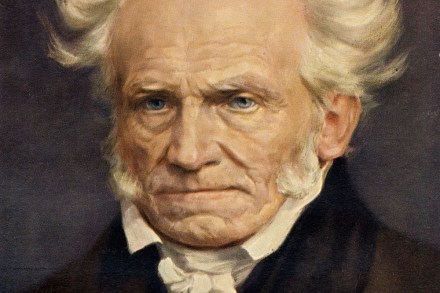
Philosophy’s greatest pessimist wasn’t so miserable after all

From our UK edition

According to the German philosopher Arthur Schopenhauer (1788-1860), people prefer reading books about great thinkers rather than by the thinkers themselves because ‘like is attracted to like and the shallow, tasteless gossip of a contemporary pinhead is more agreeable and convenient to them than the thoughts of great minds’. Thankfully, this contemptuous attitude towards biographers has not deterred David Bather Woods, a professor at Warwick University, from taking a fresh look at one of the most influential yet misunderstood figures in western philosophy. Woods’s prose is clear and compelling, though the book’s thematic structure is confusing. He argues that the defining event in Schopenhauer’s life was the suspected suicide of his father, Heinrich Floris.