Online Safety Act

Online Safety Act: are Labour or the Tories worse on free speech?

From our UK edition

27 min listen

Is the Online Safety Act protecting children – or threatening free speech? Michael Simmons hosts John Power, who writes the Spectator's cover piece this week on how the Act has inadvertently created online censorship. Implemented and defended by the current Labour government, it is actually the result of legislation passed by the Conservatives in 2023 – which Labour did not support at the time, arguing it didn’t go far enough. Michael and John joined by former Conservative MP Miriam Cates who defends the core aims and principles at the heart of the Act. They debate the principles of Big Tech, the risks of government overreach and whether freedom of expression is under threat. Produced by Megan McElroy and Patrick Gibbons.

A global MAGA crusade against web regulation?

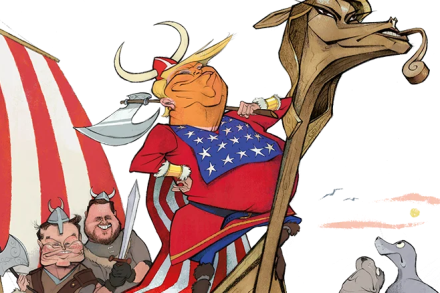
“Censorship is not how we do things in Western civilization”. So said Congressman Scott Fitzgerald (R-WI) of the United Kingdom’s new Online Safety Act (OSA). Its effects on free expression are “dangerous and needs to be addressed,” possibly by means of an international “united front”. The Congressman was fresh from meetings with British and Irish lawmakers and US tech firms, held as part of a House Judiciary Committee fact-finding mission to investigate the impact of the OSA and the European Union’s new Digital Marketing Act on American businesses. The main event was a one-on-one between Committee chair Jim Jordan (R-OH) and Peter Kyle, the United Kingdom’s Secretary of State for Science, Innovation and Technology.

Online Safety Act

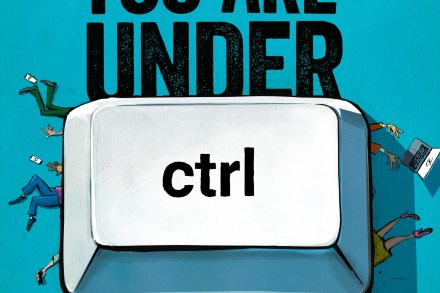
Under ctrl, the Epping migrant protests & why is ‘romantasy’ so popular?

From our UK edition

39 min listen

First: the new era of censorship A year ago, John Power notes, the UK was consumed by race riots precipitated by online rumours about the perpetrator of the Southport atrocity. This summer, there have been protests, but ‘something is different’. With the introduction of the Online Safety Act, ‘the government is exerting far greater control over what can and can’t be viewed online’. While the act ‘promises to protect minors from harmful material’, he argues that it is ‘the most sweeping attempt by any liberal democracy to bring the online world under the control of the state’.

The cult of safetyism harms us all

From our UK edition

Last month, the government announced that 16-year-olds would be able to vote at the next general election. If these new voters had wanted to inform themselves about political issues over the weekend, they would have found it strangely difficult. Take, for example, a recent speech about the rape gangs made by the Tory MP Katie Lam in parliament. It was blocked on X, alongside transcripts of the trials of the perpetrators. X users also discovered that they were unable to watch videos of protests against illegal immigration, unless they could prove they were over 18. Even if 16-year-olds are now wise enough to vote, the government believes there is information that they are too childish to know.

Ctrl U: the Online Safety Act is shutting down the internet

From our UK edition

This time last year, the UK was consumed by the worst race riots since 2001. It was precipitated by the spread of online rumours that the perpetrator of the Southport atrocity was a Muslim refugee. This summer, there have been smaller protests following reports of sexually motivated attacks allegedly perpetrated by migrants. But something is different. Legislation which was originally passed in 2023 came into force last Friday and the effects can already be felt. Social media posts showing rioters fighting with police have been suppressed; those referring to sexual attacks have been automatically flagged as pornographic.

Why does Britain think it can censor Gab?

A dramatic escalation has happened in the information war between the US and Europe. Ofcom, the British media regulator that fancies itself as a global censor, has made a move. Ofcom sent a formal demand to Gab – an American social media platform with no legal presence in Britain – threatening it with ruinous fines unless it complied with the UK’s Online Safety Act. Gab’s reply to Ofcom was not polite. It was cold, clinical and lethal. Through its lawyers, Gab told Ofcom – with legal precision and unmistakable clarity – to get lost. This isn’t some polite regulatory disagreement.

gab