Forget monetary policy, the Bank of England’s greatest crime was architectural
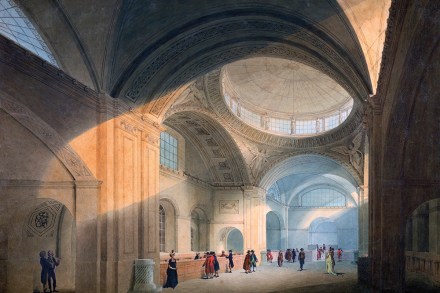
In 1916 the Bank of England committed what Nikolaus Pevsner was to call the greatest architectural crime to befall London in the 20th century. It decided to demolish much of its own building, designed by the great Georgian neoclassical architect John Soane. Soane’s lost masterpiece is the subject of the latest series from the essential architecture podcast About Buildings and Cities. The podcast, started in 2016 by presenters Luke Jones and George Gingell as a hobby, has slowly become a fan-funded staple for architects, offering a re-evaluation of the received wisdoms about the canon and some affable banter along the way. He built a rich ‘internal world’, lit by roof lanterns that crown dramatic vaulted spaces Soane worked on the Bank of England for almost 50 years.