PMQs sketch: Kamikaze Creasy
From our UK edition
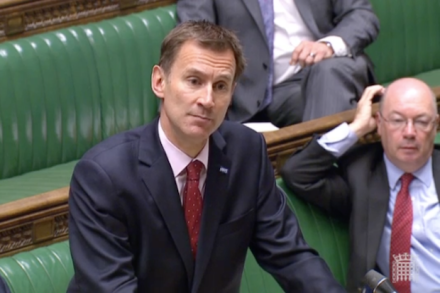
The referendum is slowly (very slowly) breaking up Cameron’s cabinet. It’s put him in a weird mood. Yesterday he was striding about in shirt-sleeves like a bogus realtor selling flats on the moon. At PMQs today he was calmer and prepared for some rough weather. It failed to materialise. Jez We Can (Do a U-turn on Europe) didn’t want to discuss the In-Out decision in case viewers spotted that his love of Brussels is a mere summer crush dating from his election as Labour boss. Previously he was a committed Europe-nobbler. With his mentor, Tony Benn, he used to trudge along to every anti-EU meeting available. Alas, no one noticed. And no one cared.