New yorker

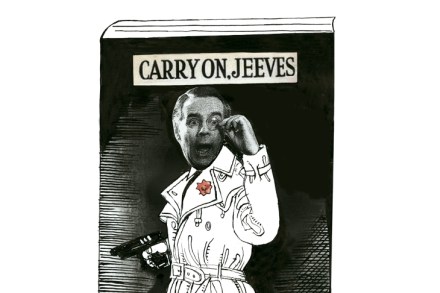
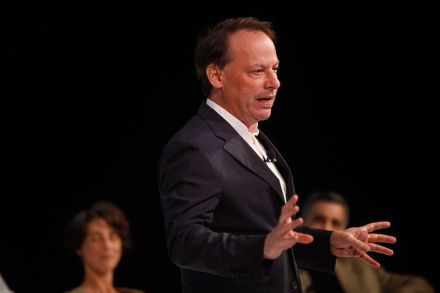
Taki’s life as a writer

It was roughly 55 years ago, at the tail end of the 1960s, that I took the monumental decision to become a writer. It wasn’t exactly an agonizing one. By then I’d been on the European tennis circuit for a decade, and was kaput. Joining the circuit at 19, I traveled nonstop seeing the world. I was never tired or hungover no matter how much I partied – and I partied relentlessly. And, needless to say, there were constant thump-thumps in the heart, as at every opportunity I pursued beautiful women. I had a great advantage in this regard. As one of the worst players on the circuit, I was usually free to chase the fairer sex by the second day of the tournament. To the losers go the spoils! Except in those days the females who followed tennis looked more like losers than the losers.

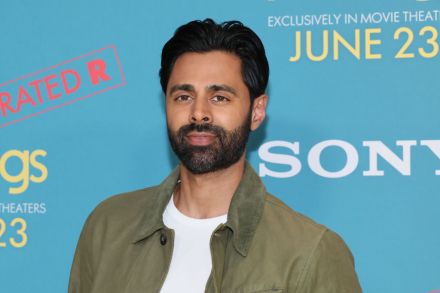
Hasan Minhaj’s race-filled fantasies

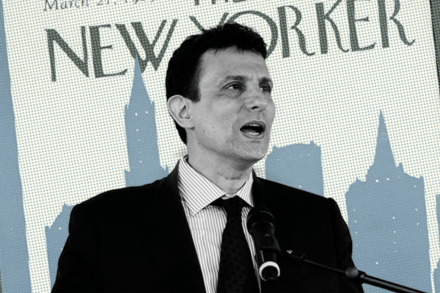
With all the focus on Russell Brand, it’s easy to forget that another comedian made headlines — for all the wrong reasons — last week. Two days before the world came crashing down on Brand, the New Yorker’s Clare Malone wrote a devastating piece on Hasan Minhaj.  Minhaj, according to the brilliant expose, has a history of fabricating narratives. What’s particularly disturbing is that his tall tales all appear to have a unifying theme: race. More specifically, racism directed towards him, an Asian American and Muslim American, and his loved ones. Much of the New Yorker piece focuses on Minhaj’s 2022 Netflix standup special, The King’s Jester, which was marketed as a biographical account of his formative years.

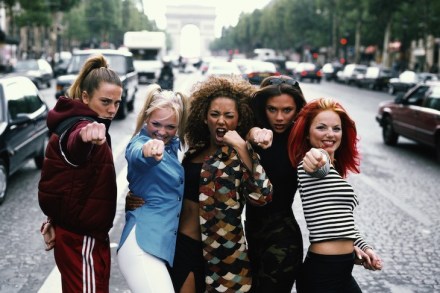
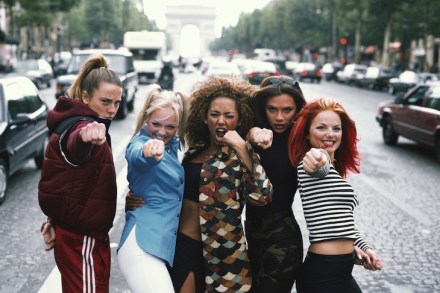
The Spice Girls sang about empowerment – better than the #MeToo whinging

The recent news of a Spice Girls reunion will, I suspect, be greeted by some former fans with nostalgic longing and others with an embarrassed cringe. But whether you’re a fan or foe, I think it’s worth remembering that golden decade of Girl Power — the 1990s — when it was bliss to be young and female. With our present preoccupation with the abuses of male power, we’ve forgotten about Girl Power. It was a fun-fuelled feminism for the mainstream; a materialistic and hedonistic celebration of female assertiveness, ambition and self-reliance. Girl Power was Thatcherism in sexy underwear. OK, so maybe Girl Power didn’t produce much in the way of great pop music or feminist polemics.