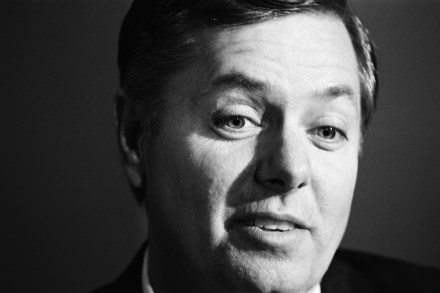
Why Lindsey Graham was always ready for war
Political lives almost always end in failure, or at least anticlimax, but Lindsey Graham went to his reward while in the midst of achieving his goals. Indeed, even the timing of his death might advance one of the causes dearest to him. He had just returned from a visit to Kyiv and his fellow advocates of greater US involvement in the Russia-Ukraine war have questioned whether he might not have been murdered by Vladimir Putin. The evidence is against that but the South Carolina senator certainly had deadly enemies: he was high on Iran’s hit-list as well. For decades, he’d called for the use of force against the ayatollahs’ regime and he lived to see that call answered. The Republican aviary still has many other hawks. But can any take Graham’s place?