Musicians

RIP Tom Lehrer

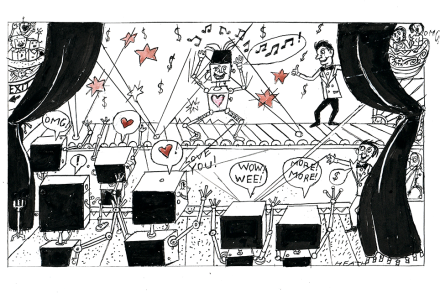
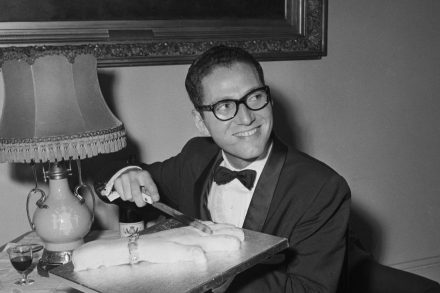
The death on Saturday of the musician, humorist and mathematician Tom Lehrer at the impressive age of 97 brings a near-end to a great American tradition of edgy, sometimes almost-unsayable satire amongst a postwar generation of New York’s Jews. Only Mel Brooks and Woody Allen are still carrying the torch, and neither of them are young men. Still, for all of their impressive achievements, it is hard to equal Lehrer’s unfathomable genius at his peak. Equally stunning is the realization that this peak only spanned around a decade: he recorded two studio albums in 1953 and 1959, and three live albums between 1959 and 1965. Yet the songs that he wrote remain extraordinary, giddy delights, combining tuneful arrangements with “did-he-really-say-that?” lyrics.

Back to the birth of the Greenwich Village music scene

In 1961, the folk guitarist Barry Kornfeld moved back to Manhattan after spending a year in Boston. The Greenwich Village folk musicians he called friends, who before his trip to Boston had been enduring a hand-to-mouth existence, were now making a living playing their music in clubs along MacDougal Street — not necessarily “a good living,” Kornfeld noted, but certainly enough to get by. Kornfeld spotted another difference, too. Audiences at clubs weren’t merely clapping; they were snapping their fingers in appreciation, which felt like the hippest thing ever. Rolling Stone writer David Browne’s latest book, chronicling the history of Greenwich Village music, pivots around 1961.

Greenwich
Powell

Bud Powell should be a household name

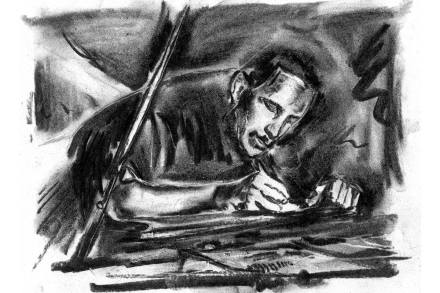
Late one January night in 1945, a young black man stumbled drunkenly toward Broad Street Station in Philadelphia. He was exhausted after playing a long set in a grotty club half a mile away. The naturally nervous musician often used alcohol to settle his unbearable over-excitements and debilitating despairs. On this occasion he had one too many. His awkward gait caught the attention of two policemen. They went to shoo him away, but instead of escorting him peacefully along, something about the twenty-year-old vexed the pair and they began to bash him about the head repeatedly with their truncheons. When the seriousness of his injuries became apparent, after he’d been slung into a frozen cell, he was taken to a hospital to recuperate.

The evergreen, ageless Rolling Stones

Are the Rolling Stones the new Rat Pack? Or put it another way: how did the Stones achieve this curious headlock on our affections? If anything, it seems to get stronger over time. In the band’s current US stadium tour, aptly sponsored by the old-age interest group AARP, a million customers are each paying $100 for a seat that allows you to aim a pair of binoculars at a distant video screen. Want an actual view of the stage? It’ll cost you up to ten times as much. Still, it’s all gravy. The last major Stones tour grossed $550 million at the box office.

Stones

George Harrison at eighty

All I got to do is to, to love youAll I got to be is, be happyAll it’s got to take is some warmth to make it blow away That’s the chorus of George Harrison’s bubbly 1979 single “Blow Away,” an update of sorts to his Beatles hit “Here Comes the Sun.” At the close of the 1970s, the respite from the “long, cold, lonely winter” had become less assured. There is a pleading tone in Harrison’s voice as he sings “be happy” that infuses “Blow Away” with pathos. That, plus his cavernous stare in the otherwise goofy video, indicates that summiting Mount Everest might have been easier than the chorus’s stated goal.

Harrison

Bernie Taupin is more than just ‘Elton John’s lyricist’

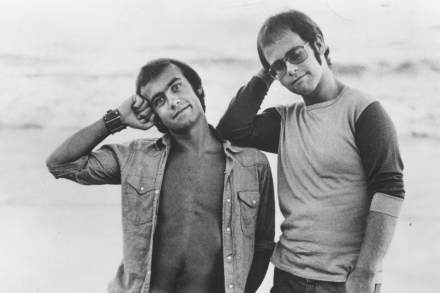
It takes only a couple of hours by train from the southern reaches of rural Lincolnshire to central London. But for seventeen-year-old Bernie Taupin, leaving home in June 1967 to try his luck in the big city, the journey might as well have been to a distant planet, such was the gulf between his life as a casual farm-laborer and his ambitions to become an internationally acclaimed songwriter like his heroes Hank Snow or Merle Haggard.

taupin

The struggle of the female musician

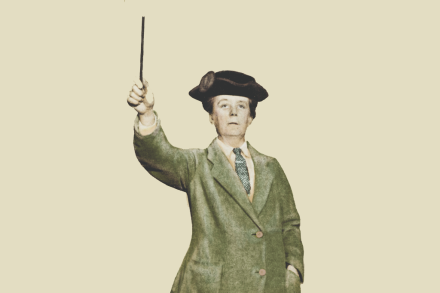
In July 2022, hundreds of elegant opera-goers gathered on the lawns of Glyndebourne Manor in Sussex to picnic in the interval of a rarely performed early twentieth century work, The Wreckers, by the suffragette composer Dame Ethel Smyth. This strikingly powerful piece of music, which tells the story of Cornish villagers who lure ships onto rocks in order to plunder them, was the first opera by a female composer to be staged at the prestigious British festival and was extremely well-received. The Times of London praised its “wild waves of passion.” Yet The Wreckers has had a difficult history.

ethel smyth women musicians