Robert Dean Lurie

Frank S. Meyer was a political paradox

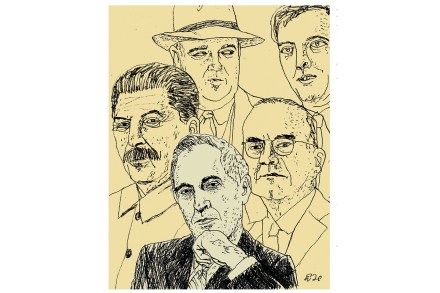
Noel Parmentel’s quote, “The right wing was fun back then,” is one of the takeaways from Daniel J. Flynn’s new book The Man Who Invented Conservatism: The Unlikely Life of Frank S. Meyer. Fun? The progenitors of post-World War Two American conservatism were, as portrayed here, a high-spirited lot. They were also intemperate, combative, self-destructive, often brilliant, not infrequently loony – and always deeply interesting. One could apply those qualities to the subject of the book, a character who looms large in the minds of intellectual conservatives and hardly anywhere else. Frank Meyer is not a household name like William F. Buckley Jr.
Meyer

How Norman Mailer changed the face of biography

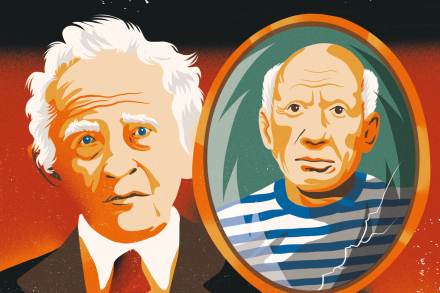
Many labels leap to mind in association with the prolific and controversial Norman Mailer, who died in 2007, but “biographer” is not typically one of them. He was not considered a serious practitioner of the genre in the same sense as Edmund Morris, Ron Chernow or his friend Doris Kearns Goodwin. And yet, as his own official biographer J. Michael Lennon asserts to me, “Mailer became a major biographer in the last half of his career.” Thirty years ago, two intriguing books by Mailer appeared just a few months apart: Oswald’s Tale: An American Mystery and Portrait of Picasso as a Young Man.

Mailer

George Harrison at eighty

All I got to do is to, to love youAll I got to be is, be happyAll it’s got to take is some warmth to make it blow away That’s the chorus of George Harrison’s bubbly 1979 single “Blow Away,” an update of sorts to his Beatles hit “Here Comes the Sun.” At the close of the 1970s, the respite from the “long, cold, lonely winter” had become less assured. There is a pleading tone in Harrison’s voice as he sings “be happy” that infuses “Blow Away” with pathos. That, plus his cavernous stare in the otherwise goofy video, indicates that summiting Mount Everest might have been easier than the chorus’s stated goal.

Harrison