Meta

Make tech great again

Mark Zuckerberg has dubbed 2023 Meta’s “year of efficiency.” The slogan is a corporate euphemism for layoffs, of course — and not an especially subtle one. Zuckerberg’s company has parted ways with tens of thousands of employees this year. Other tech firms are following suit. Crunchbase estimates that US tech firms fired more than 118,000 employees in the first quarter of 2023. These are lean times in Silicon Valley — and, as Joel Kotkin explains in this month’s cover story, there is more to this tale than Big Tech belt-tightening after a pandemic-era hiring spree. The Valley, Kotkin explains, is in trouble. A place that America, and the world, once looked to for an ambitious and optimistic vision of the future, has grown sclerotic.

tech
metaverse

Good riddance to the metaverse

So pack it all in then. Away with the wisecracking butterfly that sits on your shoulder during work meetings. Out with the Gamorrean Guards who play Texas Hold’em with you around a floating table. The metaverse, Mark Zuckerberg’s fever dream of a virtual-reality infused world, is dead. That’s assuming it was ever alive and kicking in the first place. To assess just how “real” the metaverse ever was, we need to go back to its inception in the fall of 2021. That was when Zuckerberg released a video of himself in suspiciously Steve Jobs-esque garb — black shirt and pants, sneakers — tooling around what he called a “home space” that brimmed with holographic bric-a-brac.

How taxpayer money was used to silence speech

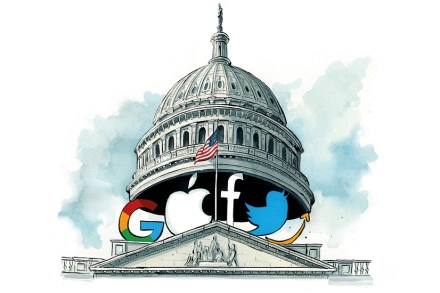
Here's a simple question: how much American taxpayer money is being spent to silence, censor, and blacklist opinions? Legacy media reporting on the House Oversight Committee's initial look into the actions of Twitter during the 2020 elections focused mostly on questions surrounding Hunter Biden's laptop. The committee's investigative reports, however, ought to hone in on the most disturbing aspect of this story: social media giants were routinely directed and coerced into censoring and silencing American citizens by entities funded by those same taxpayers.

tax dollars free speech censorship disinformation

How to survive the ‘permacrisis’

Are we in a permanent state of crisis? The Britain-based lexicographers at the Collins Dictionary think so. Last month they chose “permacrisis” as their word of the year. Defining the neologism as “an extended period of instability and insecurity,” Collins explained that their selection “sums up quite succinctly how truly awful 2022 has been for so many people.” It’s easy to see why the word has particular resonance for the Brits, now onto their third prime minister this year. But the sense that we are stuck in an endless cycle of crises is a global one. As 2022 draws to a close, the world faces a daunting set of overlapping disasters.

permacrisis

Sheryl Sandberg leans out

There’s a revealing moment at the very end of “Why We Have So Few Women Leaders,” a 2010 TED talk delivered by Facebook’s then-chief operating officer, Sheryl Sandberg. After expounding on her vision of a world in which 50 percent of CEOs and heads of state are women, Sandberg shares a more personal dream: “I want my daughter to have the choice not just to succeed, but to be liked for her accomplishments.” Now, as Sandberg leaves Facebook’s parent company Meta after fourteen years, she leaves behind a mixed and controversial record in her public life. Sandberg has earned success, but she hasn’t won much public admiration.