Margaret atwood

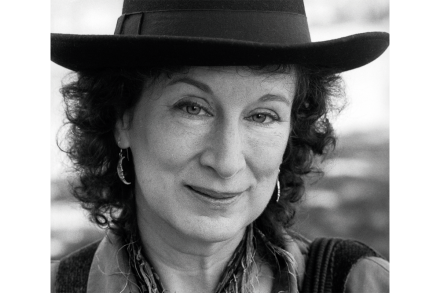
Margaret Atwood’s autobiography reveals a steely self-possession

The problem with the contemporary literary life, most of its observers usually agree, is that nobody at large in it does anything much except write. A century ago, your specimen male novelist could be found fighting in wars or traveling to places from which the reportage he brought back had genuine novelty. These days, alas, our man just sits at a desk and every so often looks out of the window at the teeming world beyond. The trajectory of the 21st-century novelist is as familiar – and as unavoidable – as a portrait of Taylor Swift. You grow up, you show an aptitude for literature, you start writing books and, unless something very unusual happens, you go on writing them.

Margaret Atwood

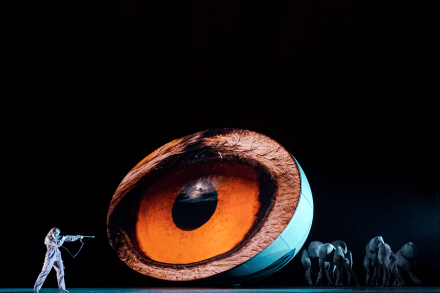
A spectacular failure: Royal Ballet’s MaddAddam reviewed

From our UK edition

Adapting ballets out of plot-heavy novels set in fantasy locations and populated with multiple characters is a rubbish idea. The profound truth of such a proposal is forcefully borne out by the wretched muddle of Wayne McGregor’s MaddAddam, an over-inflated farrago drawn from a triptych of visionary fictions by Margaret Atwood. McGregor – hugely talented and energetic as he is – needs to calm down and slow down and think small Where to start? Apocalyptic themes – political, environmental and ‘societal’ – are evoked in images and spoken narration without McGregor having any means in his hyperactive choreographic vocabulary to translate them meaningfully into dance.

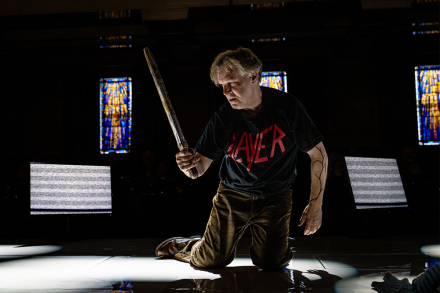
On the evidence of their Siegfried, Regents Opera’s Ring will be well worth catching

From our UK edition

It’s sometimes said that if Wagner were alive today he’d be making movies, but come on – really? A generation of Wagnerites has grown up for whom the first and definitive encounter with Der Ring des Nibelungen was on the small screen – in my case, the BBC’s early-eighties serialisation of the Bayreuth centenary production. What lingered was not the spectacle, but the intimacy: Donald McIntyre and Gwyneth Jones enveloped in darkness, reaching into each other’s souls. If you grew up with Wagner on TV and came of age, culturally speaking, around the time The Sopranos first aired, it seems obvious that the Ring isn’t some effects-laden Marvel blockbuster before its time, but the world’s first long-form TV drama.

Was Penelope really a ‘silenced’ woman?

From our UK edition

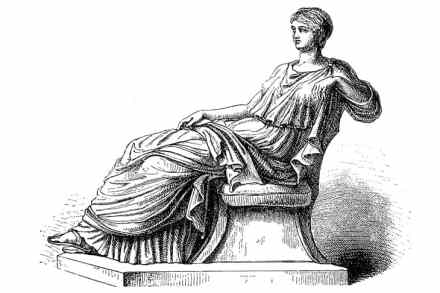
Problems about the misuse of history, especially on subjects such as race and colonialism, have been running for a long time. But when it comes to the ancient world, there are also problems about the misuse of literature. Dame Mary Beard’s ‘manifesto’ Women and Power (2018) contains an example of the problem. Her thesis is that women’s voices in the public sphere (my emphasis) have been ‘silenced’ by men ever since the West’s first literature (Homer’s Iliad and Odyssey) gave us our first access to ‘western’ thoughts, deeds, beliefs, hopes and fears (c. 700 BC). The problem exists in the first example of her thesis, to which she returns four times — Penelope, the wife of Odysseus.

Our Handmaid’s Tale hysteria

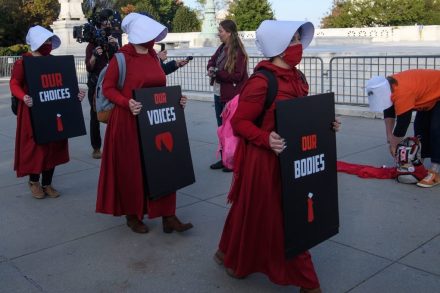
If you read one book this fall, make it The Handmaid’s Tale TV show. And then don’t read another book, ever again, if you want to remain au courant on Twitter. Margaret Atwood’s 1985 dystopian novel, and the more recent Hulu series, which depict a futuristic America called Gilead where women are treated as breeding chattel, have become a political obsession. They're used as a kind of shorthand by the trendy left for the medieval theocracy my fellow pro-lifers and I are supposedly hammering together in our spare time. This totalitarian state is evidently being built over the scaffolding of the lawless Randian anarcho-syndicate we were accused of building just a few years ago. But then those kindly old ladies praying rosaries outside abortion clinics are nothing if not adaptive.

handmaid’s tale