Madrid

Growing up with thieves, murderers and heroin addicts

From our UK edition

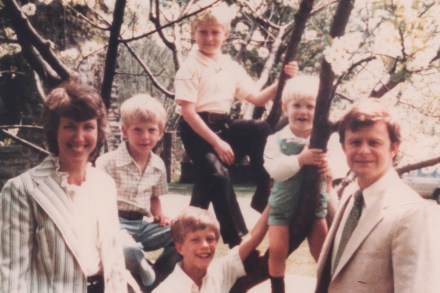
‘You can’t pick your parents, but they get to pick your life,’ Jonathan Tepper points out at the beginning of this extraordinary coming-of-age story. And: ‘If your parents are missionaries, it changes everything... They decide where you’ll live, when you’ll pack your bags and go, and you’ll get roped into their work saving the lost.’ In the 1980s and 1990s Jonathan’s parents, Elliott and Mary, were American missionaries in San Blas, then the poorest part of Madrid: ‘Our neighbourhood was the biggest drug supermarket not only in Spain but in all of Europe.’ At a time when Spain hadn’t started spending on prevention or rehabilitation, Jonathan, aged seven, along with his two older brothers – all of them blond and blue-eyed – saw junkies lying dead in ditches.

The National Football League goes international

On a beautifully gray Madrid afternoon, a group of prominent executives and representatives of America’s most popular sports league gathered to discuss how to divide up the world. There were repeated references to shared values, community engagement, cultural appreciation and “cross-border connection through competition.” The many well-dressed attendees nodded along, doubtlessly hearing each of these totemic invocations for what they really mean – money, in unimaginable sums, and the National Football League’s bold plan to take over the planet. This season the NFL has played seven international games. Madrid, São Paulo, Dublin and Berlin each hosted one fixture. London got three.

Football

On holiday with Goya

When I’m first invited to a sojourn in Madrid to learn about the life and work of Francisco Goya and the conservation work of Factum Arte, I’m thrilled but also a little apprehensive. While art-themed travel is right up my street and I live a mere train trip from the Spanish capital, Goya’s work is known for being a little, well, dark – particularly during his later years. As a fan of the Botticellis of this world, spending a few days with the artist famous for his "black paintings" was not something I was sure I’d enjoy.  And yet, three days later, as I stand in front of Goya’s grave in La Ermita de San Antonio de la Florida, I find myself moved in a way I never could’ve anticipated.

Goya

The fragility of the modern city reflects humanity’s vulnerability

From our UK edition

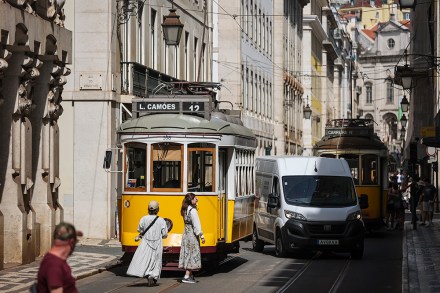
As I reached the final pages of the German writer Gregor Hens’s essayistic travelogue The City and the World, news of the blackout across Spain and Portugal snatched my attention. Madrid and Lisbon were at a standstill. Images of gridlocked round-abouts and commuters rushing out of pitch-dark subway tunnels plunged me into a fatalistic mood. When will it happen here? Hens, I realised, had nailed an important point: the ‘stunning complexity’ of modern cities makes them fragile. The metropolis, he writes, has become so intricate, its limits so stretched, that in it, ‘we are always living on the verge of catastrophe’.

Is Amber Heard staging a subtle comeback?

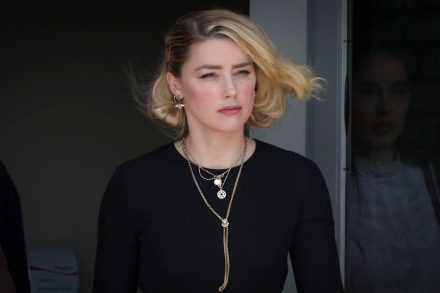
In just one short year, Amber Heard has transformed from arguably the most hated woman on the planet to some kind of new and improved Spanish celebrity. Amber moved to Madrid months after she was sued by her ex-husband, Johnny Depp, for defamation. In a viral TikTok video, Heard answers questions from reporters, saying in Spanish, "I love Spain so much."  When they asked if she plans on staying, she replied, "Yes, I hope so. Yes, I love living here." After being asked if she has movie projects on the horizon, she says yes and adds, "I move on. That's life." It turns out that exiling yourself to a new country for privacy can be an effective PR strategy. Take note, Harry and Meghan.

depp amber heard

From light into darkness: the genius of Goya

From our UK edition

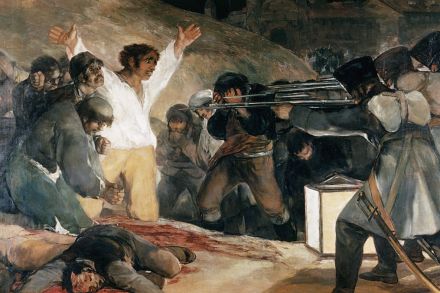
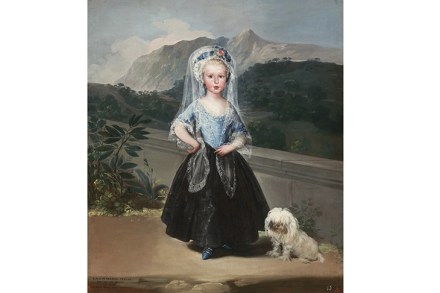
The great Spanish artist Francisco Goya was born in Zaragoza in 1746, the son of a gilder whose livelihood was doomed by the new fashion for marble. The young Goya first studied in his home town before graduating to Madrid, rising through academy and court circles and navigating his way through the reigns of three Bourbon kings and the intervening rule of Joseph Bonaparte before retiring to Bordeaux in his late seventies. From early commissions for religious frescoes, altarpieces and tapestry cartoons for royal palaces, he went on to paint celebrations of everyday Spain en fête and to establish a portrait practice encompassing all the leading figures of the wildly fluctuating political scene in the capital.