Macbeth

Scotland offers myths, legends and bespoke textile designs

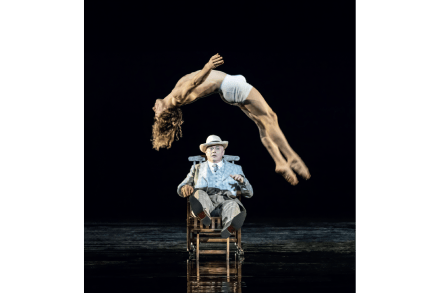
As part of the planning for a retreat I’m organizing in May, I recently visited Scotland. I spent time near Edinburgh to learn more about the work of designer and weaver Araminta Campbell, whose approach reflects the connection between nature and clothing. Her atelier, set within a fairytale castle outside the city, is renowned for its team of skilled artisan handweavers who create bespoke textile designs. It is a place I have long admired, a magical world of tartan and tweed. As a model, you become attuned to the clothes you wear – how they shape your image and how others perceive you. But it took time for me to realize that the clothes themselves also shape the world. Eleven years ago, I became interested in the environment.

Why Shakespeare remains the great playwright

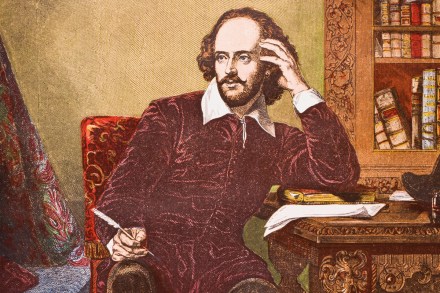
William Shakespeare’s tragedies stand apart. Their impact is profound and lasting, in cultural, artistic, emotional and psychological terms. Who could forget the ghost’s first appearance in Hamlet, or Lear bearing the dead Cordelia? No other dramatist has achieved what Shakespeare did: in subject matter, emotional heft, innovative usage of source material, character development and startling deployment of language Shakespeare is (and there is no other word for it) extraordinary. He surpasses both his predecessors (sorry, Thomas Kyd!) and those that came after him. He built on the foundations the classical playwrights established, and then, almost casually, bettered them, too.

Shakespeare

The barbarism of Canada’s euthanasia regime

“After a recent experience caring for a patient receiving medical assistance in dying, I felt distressed and uncomfortable. How should I manage these emotions?” According to the website of the College of Nurses of Ontario, that’s a frequently asked question for healthcare professionals involved in euthanasia. Perhaps Canadian health science programs ought to have some mandatory classes on Shakespeare. He wrote quite a bit about coping with the pangs of conscience, particularly after having been an accessory to the unnatural death of another.

Macbeth on Broadway: a Very Modern Scottish play

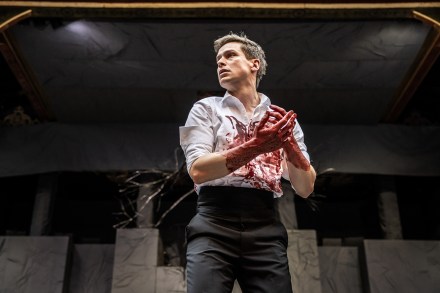
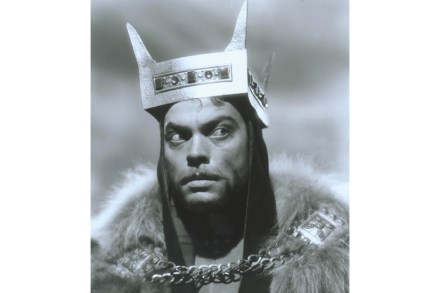
The new Macbeth on Broadway starring Daniel Craig ends up about where you’d expect: a Macbond unhinged and raving about Birnam Wood come to Dunsinane, splattering the castle walls with the gore of his enemies and pummeling Macduff mercilessly until the showstopping reveal that the latter was “of no woman born” but, in fact, “from his mother’s womb/ untimely ripped.” Omit the full-cast kumbaya circle at the end (a too-sweet cherry atop a bloody sundae), and the denouement essentially gives you Shakespearean drama at its most unimaginative — as a Hollywood action blockbuster. This isn’t to say that Shakespeare cries out for bold reimagining. Nor is there anything wrong with giving people what they came to see. It is Daniel Craig, after all.

Macbeth

Witches brew

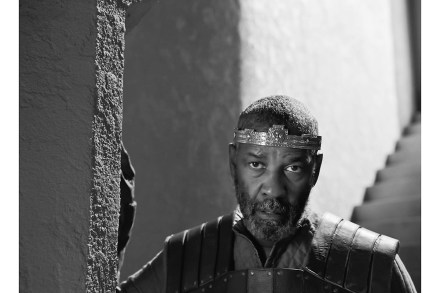
Since its initial publication in the legendary 1623 First Folio, Shakespeare’s Macbeth — one of the Bard’s late tragedies, and among his greatest — has been reimagined in countless ways. By the late seventeenth century, it had already been updated by Sir William Davenant to meet changing tastes. It was supposedly restored (though still thoroughly altered) by David Garrick in the eighteenth; and it was further “cleaned up” by Thomas Bowdler (which gave us the term ‘bowdlerized’) for his Family Shakespeare collection in the nineteenth century, an era that also brought us Verdi’s enthralling operatic version.

Macbeth