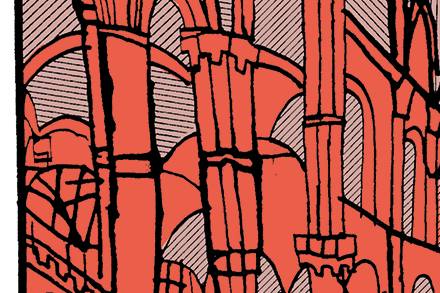
Don’t take Britain’s cathedrals for granted
From our UK edition
Everywhere I hear voices complaining about charges being imposed on those who wish to visit our great cathedrals. Everywhere, I reply to them: ‘Stop moaning and pay up!’ In fact, you should give more than you are asked. Who else is going to provide the money to save these astounding, irreplaceable buildings for a future in which they may one day be full of worshippers again? Wouldn’t you spend more on a good meal or a good bottle of wine, or a trip to the cinema? Yes, of course, there should be concessions and exemptions if you are a child or disabled or have no job or are living on a tiny pension. If you have an especial desire to pray in a very large church, then there should be a chapel, near the entrance, where you can do so without charge.