Literacy

Are we becoming post-literate?

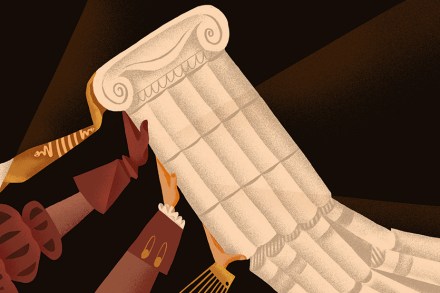
Everybody is suddenly recognizing, almost in unison, that many major of the cultural shifts in recent years were accelerated, if not explicitly caused, by Covid lockdowns. In confinement we went online and when we spent more time in cyberspace than in meatspace, our brains began to change. The most significant shift is that we have turned away from books and reading, and as a result our attention spans are collapsing. The screen is eclipsing the page. In the US, reading for pleasure has crumbled; in Britain, a third of adults no longer read books at all. The “reading revolution” that expanded consciousness in the 18th century is in retreat. But what’s emerging is not illiteracy: it’s post-literacy. We are becoming post-literate.

post-literate

A fireside chat with Usha Vance

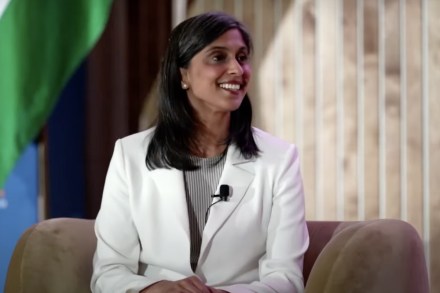
Washington, DC Usha Vance is on a mission. This year's low reading scores have shocked the White House into action – so they have placed the Yale-educated Second Lady at the helm of the reading recovery ship. But as well as addressing faltering childhood literacy, Vance has a host of other tasks to complete for the Trump administration. Vance described her role in Trump 2.0 at the annual US-India Strategic Partnership Forum hosted at the Waldorf Astoria in DC Tuesday. It includes reading challenges, the Special Olympics and US-India relations – fueled by her children's interactions with the country's Prime Minister Narendra Modi. The conference followed the launch of the "Second Lady Summer Reading Challenge.

usha vance

Why can’t America produce proficient teachers?

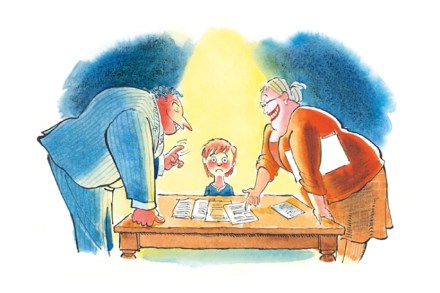
“Record drops in teen math and reading scores.” “National Math, Reading Scores Hit Historic Lows.” “Test Scores Flashing Red!” The headlines roll in weekly, each more alarming than the last. In February, twenty-six schools in Baltimore failed to bring a single student up to the most basic math requirements. The same month, sixty-seven schools in Illinois couldn’t produce a single proficient reader. We’ve reached a national education crisis, and its roots run deeper than many are willing to admit. The pressing question is: why can’t America produce proficient students? But perhaps a more crucial question is: why can’t America produce proficient teachers?

teachers teaching

The slow death of ‘balanced literacy’

To start a fire, you need a match, something that burns and air. So to speak. If you don’t have a match, you can use flint, but that takes patience and skill. What you burn should have a low combustion point. And the air should have sufficient oxygen. Starting a fire, like starting anything, has predicates: the things you need before you can truly started. But when it comes to education, some people believe we can go directly to the steak sizzling on the grill, never mind the preliminaries. This hastiness never works out very well. The latest example is the slow death of “balanced literacy.” That’s the approach to teaching children how to read that was championed by Professor Lucy Calkins, from her perch at Columbia University’s Teachers College Reading and Writing Project.

literacy

Stop reading

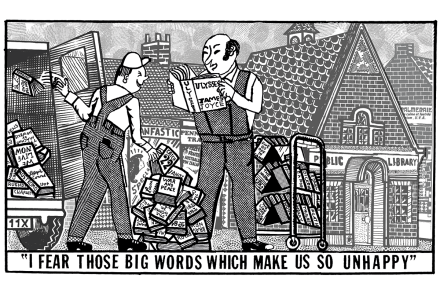
Like you, I enjoy reading. I know, of course, because you are reading this. But perhaps you also share my interest in preventing others from reading. In case you are not yet enlisted in the Restricted Literacy Movement, allow me to point out our three basic claims. (Call it RLM, why don’t we: acronyms don’t have to be read, after all.) First, literacy beyond the rudimentary has become unnecessary. Most people can do their jobs and find fulfilling leisure without it. Second, attempting to produce literacy in the unwilling is an expensive, typically futile undertaking. Third, literacy is simply harmful to many who have acquired it. It engenders discontent, self-doubt and destructive impulses.

reading