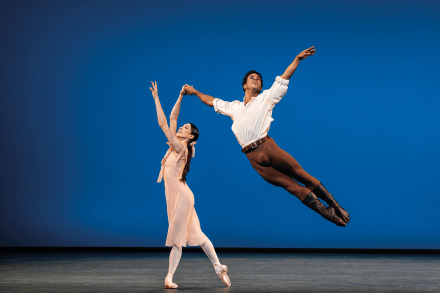
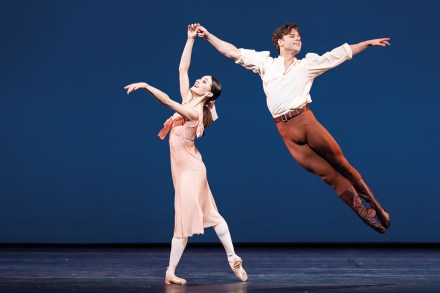
Don’t miss this masterpiece at the Royal Ballet
From our UK edition
How exhilarating life must have been for balletomanes in the 1960s. Balanchine and Ashton were firmly at the helm in New York and London; young dancers of rare genius – Lynn Seymour, Suzanne Farrell, Marcia Haydee, Rudolf Nureyev, Anthony Dowell – dazzled; John Cranko, Kenneth MacMillan and Paul Taylor came into their prime; and horizons were widened by the radical quests of Merce Cunningham and the Judson Dance Theatre. Choreographers didn’t feel the compulsion to scandalise, tell convoluted stories, or spend a fortune on special decorative effects. Slender youthful human bodies, minimally clothed, could do all the expressive work on a bare stage. Musicality was paramount. What a lot has since been sacrificed to mere frippery.