Internet

Deepfakes could be good news

Are you scared of deepfakes? Perhaps you should be. A few years old and continually growing more sophisticated, deepfakes are digital simulacra generated through machine learning that are barely distinguishable from the real thing. They’ve been used to fake celebrity porn videos, make Barack Obama seem to call Donald Trump a ‘dipshit,’ and most recently, superimpose Steve Buscemi’s face on to Jennifer Lawrence’s body in a video that was at once mesmerizing and scary (Buscemi/Lawrence bore a strange resemblance to Tilda Swinton).
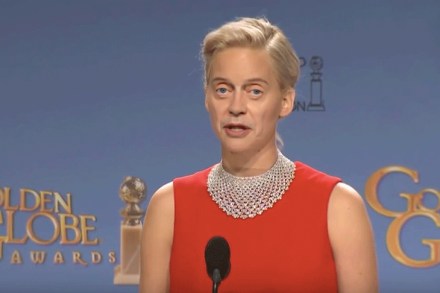
deepfakes jennifer buscemi

How digital media killed itself

As a young digital journalist in the late 2000s, my industry peers and I often reminisced about the era we felt we’d just missed: the glamorous, fin-de-siècle age of New York media, the time of seven-figure budgets for magazine launches and outsize editorial personalities that commanded celebrity attention in New York. We were the ones scrambling to keep our jobs afloat in the aftermath of the 2008 recession. As it turns out, we still had it pretty good. The other evening, right after the brutal layoffs at digital publications such as BuzzFeed and HuffPost were announced, I found myself in a dive bar (of course) with a handful of the aforementioned elder millennials of digital media.

buzzfeed digital media

The agonizing death of Hillary Clinton’s ‘Internet Freedom’ agenda

Has there ever been a more fitting corporate meltdown than that endured by Facebook over the last two years? After perhaps swinging an election or two in 2016, the company has been dragged bawling through the mud more times than an Medieval Estonian peasant caught stealing horses. There have been non-apologies and listening tours, rebrands and reach-outs, Senate committee hearings, slap-downs and back-pedals, faked humility and conspiracy theories, inquests and campaigns and furious denunciations, ponderous op-eds and stock-price massacres, would-be trust-busters on the make, crisis management PR operations and parade ground about-faces.

hillary clinton internet freedom

The Best Talks and Debates on the Internet

From our UK edition

The internet has changed beyond recognition in recent years. In the noughties we consumed short, digestible bursts of information online. But now there’s a growing appetite for long-form intellectual content – the internet is chockablock with podcasts, discussions and debates. People are going online to explore ideas that, before, would never have been found beyond the bounds of a university campus. As Douglas Murray revealed here on Spectator Life, the most radical contemporary thinkers are joining the likes of Jordan Peterson in tapping into this growing desire to discuss philosophical and political questions online. In doing so, they sidestep the censorious culture of some universities and reach an online audience of millions.

The vlogging fantasy that bewitches children

My friend’s ten-year-old daughter has a new hobby. Like many of her school pals, she hopes to become a video blogger — a ‘vlogger’. She has started to record clips of herself for others to watch, share and ‘like’. She showed me a few, then gave me a list of famous vloggers to watch: JoJo Siwa, iJustine, Noodlerella, Zoella. Their names sounded so bizarre. But they are totally familiar to tweenage girls. Like an earnest marketing executive, my friend’s daughter then explained to me that it was all a matter of numbers. If her videos are viewed 40,000 times on YouTube, she can have adverts placed on them; 100,000, and companies would start sending her products to promote. One million and she’d be a bona fide YouTube star.