International law

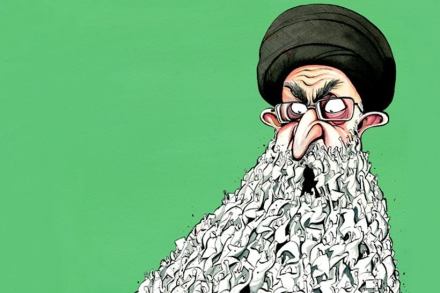
If only Britain was as important as Iran thinks we are

I am becoming rather fond of Prime Minister Starmer’s major foreign policy announcements. In early January, after US forces swooped into Venezuela and took President Maduro to New York to face trial, Keir Starmer was keen to get straight out in front of the cameras. There he said that he wanted to stress that ‘the UK was not involved in any way in this operation’. As though the whole world had been expecting to hear that the British armed forces were indeed central in snatching the narco-terrorist from Caracas. This week it was again Starmer’s turn to stand behind a podium, British flags behind him, and deliver another statement that

International law should not prevent regime change in Iran

Liberal supporters of the US-Israeli killing of Ayatollah Ali Khamenei are straining to parry the charge that Operation Epic Fury is illegal. They say that Washington and Jerusalem are returning fire in a continuing war initiated by Iran, which has funded proxy terror organisations to target Americans and Israelis. It’s a good try but once you kill a country’s head of state in a targeted bombing, it’s hard to claim regime change wasn’t the object of the exercise.  If international law says Khamenei should still be in place, maybe international law deserves to be detonated along with him Customary international law, as commonly understood, does not permit the violation of

Iran islamic republic

Philippe Sands: 38 Londres Street – On Impunity, Pinochet in England and a Nazi in Patagonia

58 min listen

Sam Leith’s guest on this week’s Book Club podcast is the lawyer and writer Philippe Sands, whose new book 38 Londres Street describes the legal and diplomatic tussle over the potential extradition of the former Chilean dictator General Pinochet. Philippe tells Sam why the case was such an important one in legal history, and presents new evidence suggesting that the General’s release to Chile on health grounds may have been part of a behind-the-scenes stitch-up between the UK and Chilean governments. He sets out some of that evidence and pushes back on our reviewer Jonathan Sumption’s scepticism about the case. Here’s an old case, but not yet a cold case. Produced by Oscar Edmondson