Interest rates

Don’t bet on the Trump economy

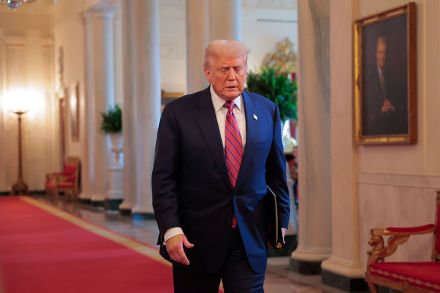
The Trump White House took a victory lap on Monday, declaring in its newsletter that the American economy is back – back bigger and better than ever. Core inflation is down. Industrial production is up. Claims for unemployment dropped. Tariff revenue rose. The newsletter even cites the Wall Street Journal—otherwise in bad odor in the Trump White House – for decreeing that the American economy is “regaining its swagger.” Is it time to splurge on a fancy vacation? As it happens, I’m currently visiting Vermont where the number of tourists is distinctly lower than in previous years.

Economy

Powell pays for past mistakes

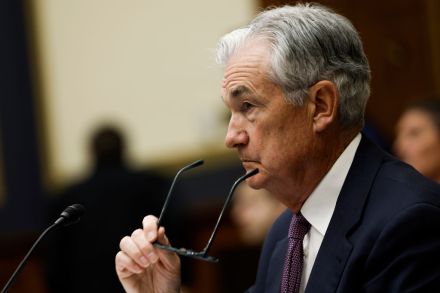
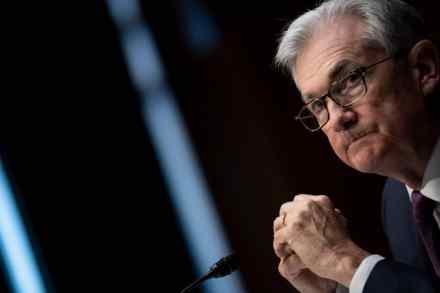
Powell pays for past mistakes In the summer of 2020, Fed chair Jerome Powell could not have been clearer. “We’re not thinking about raising rates,” said Powell, before doubling down: “We’re not even thinking about thinking about raising rates.”   Things, as we now know, turned out a little differently. The months marched on, and with the Biden administration determined to spend, spend, spend, inflation went from “high class problem” to “transitory” to the biggest problem facing the US economy. Powell and his Fed colleagues went from not thinking about thinking about raising rates to, well, raising rates. From virtually zero around this time last year to 4.75 percent as of January.

jerome powell

Biden will never let Silicon Valley fail

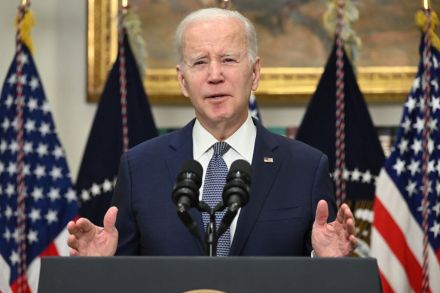
After a bank run on Silicon Valley Bank left the institution in ruins, the Federal Reserve announced it would make whole the bank’s customers, including those with uninsured deposits in excess of $250,000, which should have made them ineligible for the Deposit Insurance Fund. President Biden promised the American people that this was not a bailout because no losses would be borne by taxpayers — a claim the Wall Street Journal assessed as a “whopper.” But the debate we should be having is not over the definition of the authorities' actions, but how to judge them morally — especially given how the Fed has been trying to tame inflation for the past two years.

Here comes the next recession

There is no shortage of reasons to feel gloomy about the American economy right now. First, there’s inflation. In 2021, the Biden administration claimed that the cost of a summer barbecue had declined by 16 cents from the year before. It probably now wishes it hadn’t made that claim. This summer, the cost of that barbecue is up not 16 cents but 17 percent. Hot dogs are up 37 percent over a year ago. This is the highest inflation in forty years, with the consumer price index up 8.6 percent from a year ago. Some necessities, such as gasoline and food, have risen even more sharply, with gas having gone from $2.18 a gallon when Biden was inaugurated to $5.

The numbers game

The most important macroeconomic development of the last three decades has been the extraordinary growth of the Chinese economy. In 1990, it was largely a subsistence peasant economy with a negligible footprint in world trade. China now provides the largest share of world exports, and by some standards has already become the world’s largest economy. In 1990, the wage of an average Chinese worker was perhaps 1/40th of that of an American worker. By 2020, it was just about a quarter: a tenfold gain in just 30 years. Before the 18th century, all societies were basically subsistence peasant agricultural societies with a small upper layer of landowning nobles and clerics. Then the Industrial Revolution began.

inflation labor