Indie

Cast a spell, clear and sharp as frost: The Unthanks reviewed

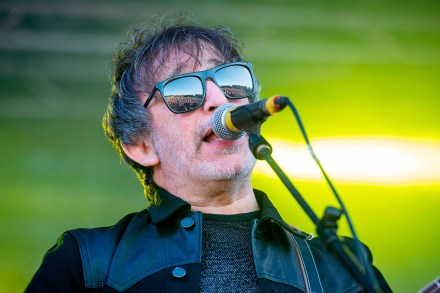
As August unwound, the EIF settled into the cavernous gazebo that is Edinburgh Park, and things began to loosen up. First there was an outbreak of vigorous clog dancing — more on which later. This escalated within 48 hours to a polite mini stampede from our designated seats towards the front of the stage at the start of Damon Albarn’s show, instigated at the artist’s request. ‘I’ve checked and we’re allowed,’ said Albarn sensibly. In 2021 we must take rebellion as we find it. When he lit a cigarette near the end it felt like civilisation was teetering on the very brink. As it transpired, this wasn’t really music designed

What a genuine delight to be among people: Gorillaz, at the O2, reviewed

The new music economy relies on cross-promotion and artists reaching out to different scenes. And the rise of streaming means everyone can hop between audiences with ease, hence those singles apparently by one person but with a cricket team’s worth of other names credited. As the Beach Boys once sang, ‘you need a mess of help to stand alone’. Alongside the featured artist sausage factory there are musical patrons. Take Damon Albarn, who has spent much of the past 20 years elevating the work of other artists, using the strength of his own name — made, of course, as the frontman of Blur — to promote music that might otherwise

The songs are still as fresh and appetising as a hot loaf: The Lightning Seeds livestream reviewed

One thing about a streamed festival is that the toilets are better than at the real thing. The other thing, though, is that it’s not really a festival. That’s not to knock the North Will Rise Again (TNWRA), which took place over Saturday and Sunday nights a few weeks back, the first featuring Liverpudlian bands and filmed in that city, the second coming from Manchester, with Mancunian groups. The simple fact is, you can’t replicate a festival online: what the best festivals offer is chance, when one stumbles across something wholly unexpectedly on some outlying stage at an unpromising time of day. Simple economics make that impossible for an event

The people who were idiots at gigs in early March are still idiots

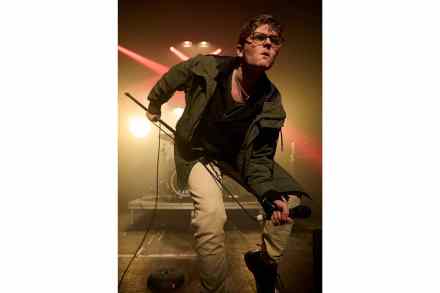
Is the world ready for the return of live rock music? On the evidence of the first gig in London since lockdown, no. The people who were arseholes at gigs in early March are still arseholes at gigs, but there’s rather more than an obstructed sightline at stake now. Miles Kane was the guinea pig for the experiment, playing to 150 people who’d applied for tickets and who stood in a summer downpour watching him play acoustically. More on Kane later, but his presence was the least important thing here. The gig was the first in a series of small shows in Camden Market, and the organisers had taken care:

The musical benefits of not playing live

Glenn Gould considered audiences ‘a force of evil’. ‘Not in their individual segments but en masse, I detest audiences.’ He retired from public performance on 10 April 1964, at the age of 31, having given fewer than 200 public recitals. The Canadian classical pianist had longstanding philosophical objections to the ritual of performing live. He found applause automatic and insincere, and often asked spectators not to bother. He even wrote a (partly) tongue-in-cheek manifesto, the Gould Plan for the Abolition of Applause and Demonstrations of All Kinds, in which he called for clapping to be banned. Gould believed that the most useful and honest response to music came following a