Imf

Mission creep has infected the IMF and the World Bank

From our US edition

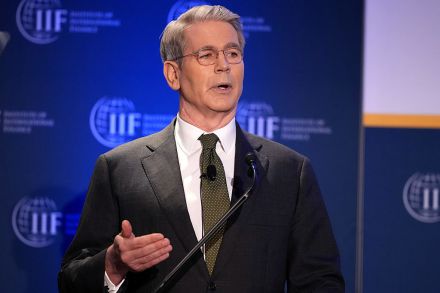
The following is a transcript of a speech delivered yesterday by the Treasury Secretary Scott Bessent. In the final months of World War Two, Western leaders convened the greatest economic minds of their generation. Their task? To build a new financial system.  At a quiet resort high up in the mountains of New Hampshire, they laid the foundation for Pax Americana.  The architects of Bretton Woods recognized that a global economy required global coordination. To encourage that coordination, they created the IMF and the World Bank.   These twin institutions were born after a period of intense geopolitical and economic volatility.
IMF

Will Liz Truss take on the IMF?

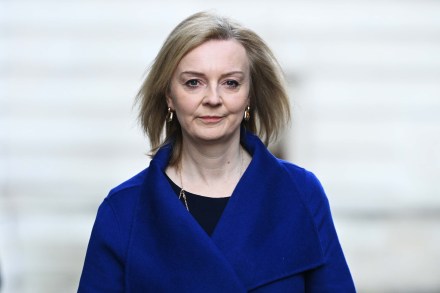
Tonight the International Monetary Fund has weighed in on the UK’s mini-Budget, offering a direct rebuke of Liz Truss and Kwasi Kwarteng’s tax cuts. ‘We are closely monitoring recent economic developments in the UK and are engaged with the authorities,’ its spokesperson said, in reference to the fluctuating pound and rising borrowing costs. ‘Given elevated inflation pressures in many countries, including the UK, we do not recommend large and untargeted fiscal packages at this juncture' – suggesting some concern that the measures could be inflationary.

A windfall tax would only hurt our weakened economy

The calls for tax hikes is ramping up. Last December the Wealth Tax Commission recommended a ‘one-off’ 5 per cent levy on the assets of Britain’s wealthy to pay for the growing costs of Covid-19. In January Oxfam followed suit, using its yearly inequality report to call for big taxes on wealth and high incomes. Now, it’s the International Monetary Fund’s turn, recommending not only a temporary income tax hike for high earners, but also a windfall tax — that is, a tax on ‘excess profits’ — on businesses that faired well and profited during the pandemic. The concept of wealth taxes on individuals is bad enough.