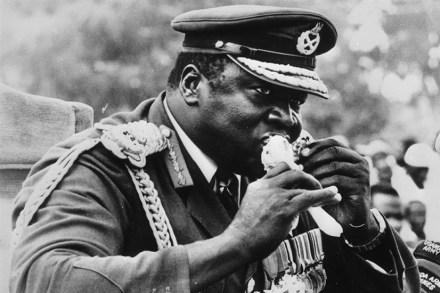
Idi amin

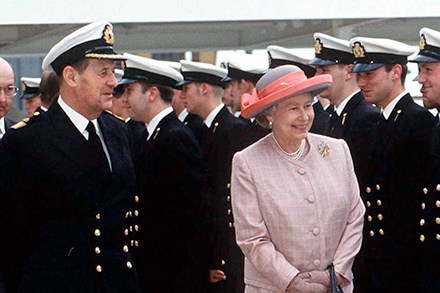
The exquisitely dull life of Elizabeth II, expert on cap badges

The dogs, horses, diamonds, furs, full-length evening gowns of lace and pearls; private jets and limousines; the ever-present jostling retinue; the push and shove of photographers and the clamour of crowds – Elizabeth Taylor and Elizabeth II had a lot in common, each taking themselves very seriously and needing to be seen to be believed. Whereas the Hollywood actress was majestic mainly in her vulgarity and brashness, however, the late Queen, as is evident in this pair of biographies, did her level best to be reticent, even non-existent. The best known of her few recorded utterances are ‘Oh really?’ and ‘Are you sure?’. She had a tendency to stare at a person with ‘absolutely no expression’, or at best ‘an expression of controlled irritation’.
Why were 80,000 Asians suddenly expelled from Uganda in 1972?

The mantelpieces of many an Asian family in Leicester and London, it is said, sport two framed photographs. One is of Idi Amin, the African dictator who expelled them from Uganda; the other is of Edward Heath, the prime minister who allowed them in. ‘This double gratitude,’ writes Lucy Fulford, ‘says thanks for throwing us out and thanks for taking us in.’ Asians filled teddy bears with jewellery and baked diamonds into snacks taken aboard their last flights out If the expulsion from ‘the Pearl of Africa’ of 80,000 Asians was the most traumatic experience of their lives, many also retro-actively recognise it as the best thing that ever happened.

When Idi Amin threatened to shoot the cook

Private chefs keep many secrets and are expected to go to their graves without sharing a morsel of gossip about their employers. Whether cooking for a pop star, tycoon or member of a royal family, chefs must guarantee confidentiality. Chatter can be career-ending or lead to lawsuits. For a few such cooks, revelations could even end in execution. When the Polish journalist Witold Szablowski came up with the winning idea of writing a book about what some of the world’s most notorious dictators ate, it proved a difficult task. Finding just a few living examples of their chefs took more than two years; persuading these individuals to tell their secrets even longer. Many years after their former bosses had died or been deposed, they were still afraid of their past.