Hollywood

‘Steer clear of that cave boy, James Dean, and grease ball, Elvis Presley’

Lucky bastard. Such are the words that come constantly to mind while you’re reading Clancy Sigal’s two volumes of posthumously published autobiography. Blacklisted as a (self-confessedly lousy) actor for refusing to name names in the McCarthy era, working as the agent for the likes of Peter Lorre, Rod Steiger and — sigh — Barbara Stanwyck in 1950s Hollywood and freelancing on Fleet Street in countercultural London (including reviewing films for The Spectator), Sigal was at the centre of every piece of action going. Should Black Sunset and The London Lover ever be gathered into a single volume (perhaps taking Sigal’s earlier memoir, Going Away, along for the ride), ‘Been there,

How Hollywood lost its shine

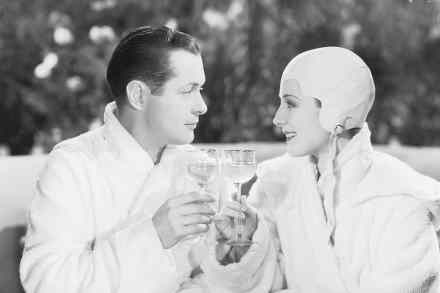
Reading the lip-smacking reports of the latest troubled celebrity relationships  (Jennifer Aniston and Justin Theroux definitely high and dry, Cheryl Cole and Liam Payne allegedly on the rocks) I couldn’t help musing that stars – and more specifically, the place they occupy in our mass psychological landscape – have very much changed since the first mass-market celebrities emerged. The film stars of the fledgling Hollywood truly were worshipped as higher beings; a tribe of Pathan Indians opened fire on a cinema when they were denied entry to a Greta Garbo film while women committed suicide when Valentino died. Their marriages were regarded as heavenly unions; their romantic sunderings as tragedies.