Seventy-five years of It’s a Wonderful Life
In George Bailey, we see our own fathers, our own brothers and husbands and sons
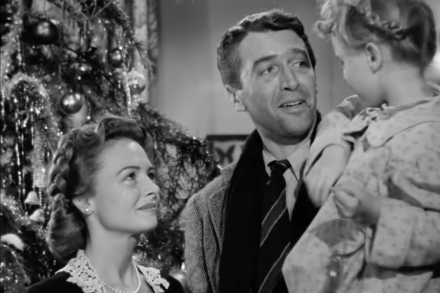
In George Bailey, we see our own fathers, our own brothers and husbands and sons
He’s one of our most talented actors, elevating even the most awful of scripts

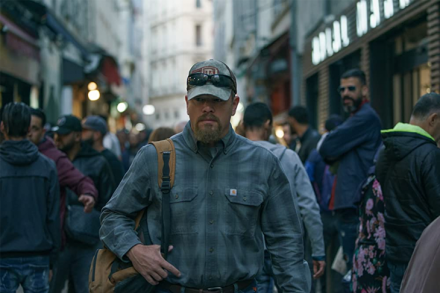
The movie humanizes the camo-hat and cutoff shirt-wearing segment of America while still telling an entertaining story
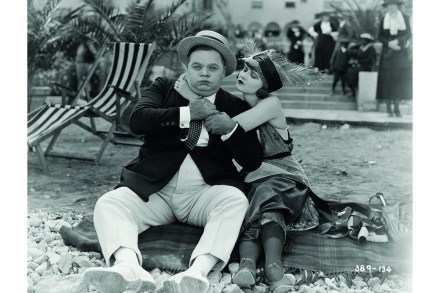
Arbuckle was an accidental pioneer of cancel culture
Black Widow, Luca and Nomadland are films for decaffeinated protesters

Someone couldn’t seriously have called the police and told them I was a threat to my children
‘You can’t CCP me’
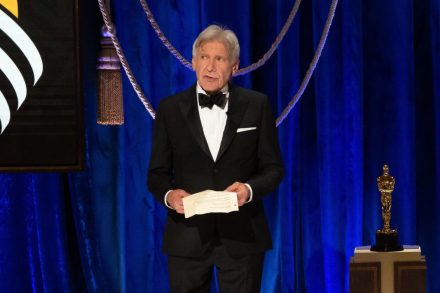
The pandemic has sped up the decline of glitzy award ceremonies
Robert Redford’s film festival goes virtual
One hundred years on from the seminal Chaplin flick

The more people see her, the less they like

He was one of Britain’s greatest portrait photographers, possibly the greatest
The Academy Awards are making America look stupid in front of the entire world
She was not an anti-communist in spite of being a liberal, she was an anti-communist because she was a liberal

It is hard to identify safe spaces for those of us on the American right

Let’s all be grateful to these very rich, very famous people
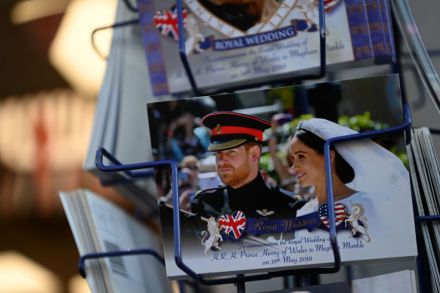
We treat the royal family like Hollywood stars but get offended if they behave like them
For almost a decade, American cinema has rolled over and had its fluffy belly tickled by grim-faced CCP censors

Once more, with feeling

Lucky bastard. Such are the words that come constantly to mind while you’re reading Clancy Sigal’s two volumes of posthumously published autobiography. Blacklisted as a (self-confessedly lousy) actor for refusing to name names in the McCarthy era, working as the agent for the likes of Peter Lorre, Rod Steiger and — sigh — Barbara Stanwyck in 1950s Hollywood and freelancing on Fleet Street in countercultural London (including reviewing films for The Spectator), Sigal was at the centre of every piece of action going. Should Black Sunset and The London Lover ever be gathered into a single volume (perhaps taking Sigal’s earlier memoir, Going Away, along for the ride), ‘Been there,