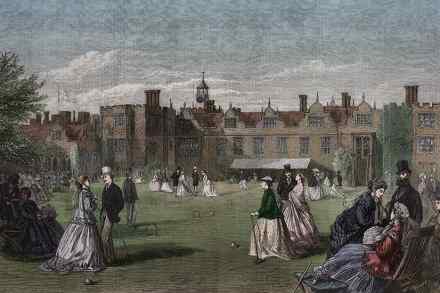
Holkham hall

The punishing gluttony of Georgian high living

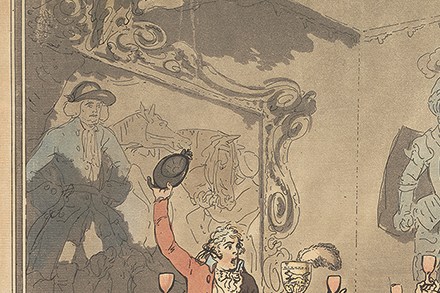
Georgian dining, if you were wealthy, was an incredible experience. Everything, from the location to the furniture, was carefully planned and meticulously executed to really hammer home the taste, status and impeccable education of the host. This was of course regardless of the actual likings, wealth and intellectual leanings of the party-giver. One of the delights of Amy Boyington’s book is the descriptions of the many, frequently ghastly, aristocrats whose country pads feature. There are murderers, adulterers, gluttons and spendthrifts. They did eat well, though. The Country House Dining Room is a Yale publication and, as such, can be expected to err toward the academic and the artistic.
Suspicious circumstances abound in the latest crime fiction

The old adage that everyone has a novel in them has a new version: anyone can write a thriller. Celebrity helps, of course, and Bill and Hillary Clinton are exemplars of the trend, though each has had the sense to draw on professional assistance and the grace to acknowledge it. Closer to home, Britain has spawned its own unexpected authors, led by Richard Osman with his astonishing successful The Thursday Murder Club. Now Alan Johnson, the former Labour MP and cabinet minister, joins the club with The Late Train to Gipsy Hill (Headline, £16.99), his first foray into fiction. He arrives with impressive credentials, however, having published three excellent volumes of memoirs since leaving politics. Like them, this book is well written, if less affecting.

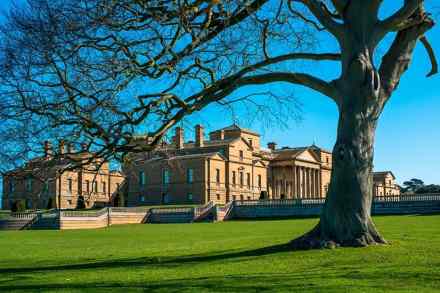
The country house is dead: that’s why we love it so

The true English disease is Downton Syndrome. Symptoms include a yearning for a past of chivalry, grandeur and unambiguously stratified social order, where Johnny Foreigner had no place unless perhaps as butler in the pantry or mistress in the bedroom. And the focus of the disease is the country house, Britain’s best contribution to the world history of architecture. Except often the architect was Johnny Foreigner. The typologies are well understood: from great halls with their Tudor feasts to Italianate palazzi, with Alexander Pope scribbling in the garden; thence to disturbing Victorian horrors corrupting their inhabitants (q.v.