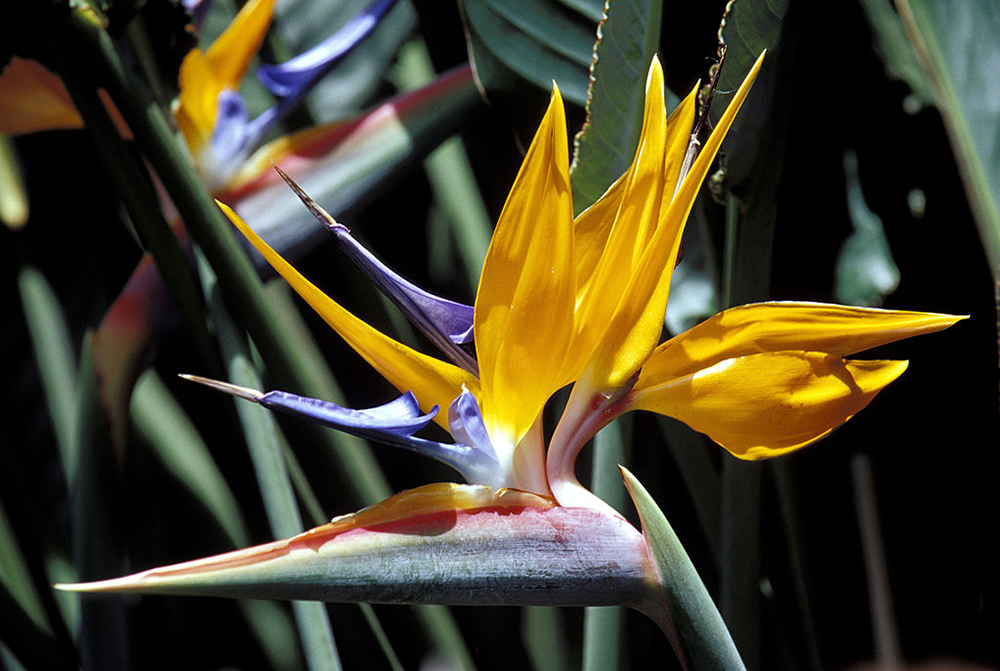

The last time I visited Cuba’s national botanic gardens, there was a wedding in a tucked-away corner by the Japanese pool. The happy couple stood at the water’s edge as jacanas – Jesus birds – walked the lily pads behind them.
I have been thinking about that couple, as we’ve just heard that the botanics have closed due to the oil blockade the US is imposing on the island. The gardens were an escape in a collapsing city, not that we could still reach them, as there is no fuel.
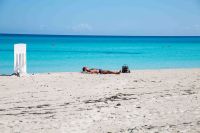
I have a small boy, Santiago, and it’s hard to entertain him in these trying times. On calm days, there is the beach, the beautiful miles of sand to the city’s undeveloped east, but with an empty gas tank, that too is out of reach. Uncollected trash, driven on the wind off the Florida Straits, makes the local parks increasingly dirty. I don’t mind Santiago being an urchin, but I find it hard to let him play where I never know what he might pick up.
The botanics, which take up 600 hectares south of Havana, are among the largest in Latin America. They are a genuine achievement of the revolution. There had been botanic gardens before. The first, built in 1817, was swept away by the expanding city, its plants moved in 1864 to Quinta de los Molinos, a still beautiful garden but a far smaller affair.
The national botanic gardens are of a different scale altogether. It was an idea of Fidel Castro’s, or perhaps his (alleged) lover Celia Sánchez, at the end of the 1960s. An east German botanist, Dr. Johannes Bisse, was drafted in, and became one of Cuba’s most significant naturalists. It took 20 years of landscaping and planting before the gates could open to the public.
It was always meant to be a research center, allied to the University of Havana’s biology department. “During the 1990s, it assumed a strategic role as a center for applied research, particularly in the fields of food, medicine and alternative materials,” said one of the former researchers there, who preferred not to give her name.
But it was also a getaway from the city. It has its quirks, closing on public holidays, which I think a touch deranged, but when it is open, it’s possible to get entirely lost there. There’s a small train that can take you round, but you can also cycle or drive, and for Santiago – a small boy obsessed with lions, tigers and kangaroos – the idea of traveling through its Africa, Asia or Australia, is thrilling, even if we have to pretend we can see the animals.
We used to like to go and picnic, finding some vast exotic tree to shelter beneath, and the Saturday would slip past in adventure with no one else in sight.
For a while, according to the researcher, it was “bustling.” She was involved in a vegetarian restaurant, El Bambú, which opened by the Japanese garden in 1992, when people were starting to go hungry due to the collapse of the Soviet Union devastating the Cuban economy. El Bambú sold local honey and fresh cow’s milk at affordable prices.
It’s all so typical of the Cuban revolution… a monumental idea followed by strangulation and decline
“The dining area featured a buffet table laden with over 15 different salads and dressings, alongside hot dishes – always starting with a soup – as well as rice and pasta dishes with cheese,” she told me. “In many cases, these ingredients were from the garden’s own produce.”
It’s all so typical of the Cuban revolution. A monumental idea – creating one of the most important botanical parks in Latin America – followed by strangulation and decline. What’s left is an incredibly loyal and committed staff keeping it beautiful, despite the lack of resources.
It remains astonishing, even if it’s no longer an escape for the city’s children, but instead for the offspring of an expat like me. Or it was. Now the US oil blockade, in place since January as Washington tries to bring down the Cuban regime, has made us all equal again – in that no one can enjoy it. Trying to explain this to my wee boy is proving quite difficult.


Comments