Flint

Notes on the natural world: an exquisite collection from Kathleen Jamie

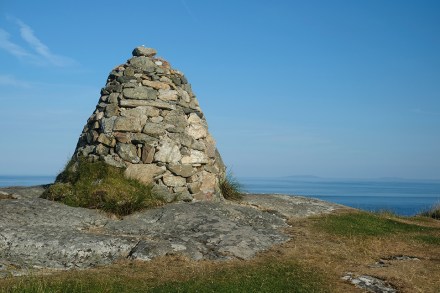
‘Let me leave Cairn here as a trail marker, a moment noted, a view from the strange here-and-now,’ Kathleen Jamie states towards the end of the prologue to her exquisite new collection of writings. In more than 40 micro-essays and poems, her keen-eyed view encompasses both an uninhabited island far out at sea and a piece of flint in her hand; it accommodates surfacing memories and also peers into the uncertain future awaiting the next generation. A balanced tower of ultra-short pieces is a new form for Jamie, the Scottish makar (or national poet), who also pens longer pieces of nature writing, collected into the genre-expanding works: Findings, Sightlines and Surfacing.
Stories of the Sussex Downs

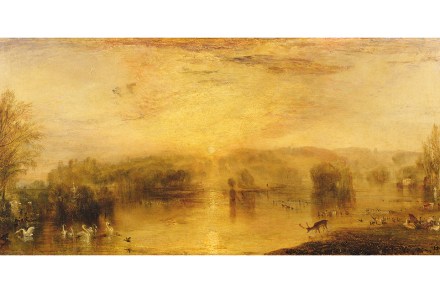
This amazing book is itself a little like a flint, a misshapen stone egg of the Sussex Downs. It resists the reader at first, coated in the calcite rind of the author’s slow, scholarly journey, missteps and all. But when you persist, breaking the book’s spine or, as it were, knapping the flinty nodule, you find treasure within. Alexandra Harris quotes the painter Paul Nash writing in 1937: ‘If I broke all the shells of all my wild stones, I should find that precious yolk which is like precious stones, the black core of the flint.’ From Nash, it’s a hop and a skip to Henry Vaughan, the metaphysical poet who ‘understood his heart as a cold flint that must be violently struck if it were to kindle into divine light’.

Climate racism isn’t real

From our US edition

How many headlines have you seen about climate and environmental racism? So many you think of it as a real problem? Now, how many articles have you actually read about climate racism? If you’ve read one, just one, then you already know it doesn’t exist. Once you get past the fear-mongering click bait and the SEO-friendly headlines, almost all reportage of climate racism dances around the real issue: wealth inequality. Journalists are quick to note that poverty perpetuates climatological and environmental issues against inner-city working-class Americans, many of whom are non-white, but no less American. They don't seem quite so bothered about rural Americans with cancers and lung disease caused by pesticides and pollutants, almost all of whom are Caucasian.

climate racism