Finance

No, Amsterdam hasn’t overtaken the City

From our UK edition

London is Europe’s major financial centre and one of the world’s two leading financial hubs. This is unlikely to change following Brexit. Its main competition is with New York, Singapore, Hong Kong and other centres like Shanghai that will emerge in the coming years. However, the headline of today’s main story in the Financial Times proclaimed, 'Amsterdam ousts London as Europe’s top share trading hub'. The article correctly reported that more shares were traded last month on 'Euronext, Amsterdam and the Dutch arms of CBOE Europe and Turquoise in January' than 'in London'. While the data in this story is naturally correct, it needs to be put within context in order to draw the right conclusions.
The capitalist nihilism of WallStreetBets

From our UK edition

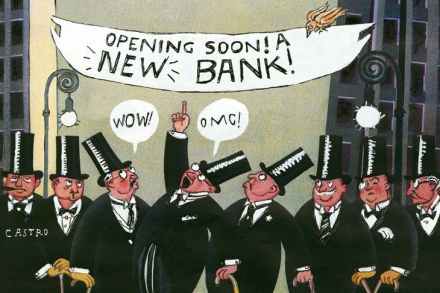
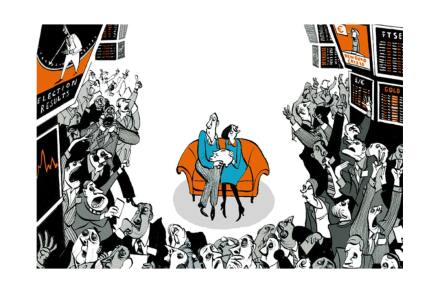
When Croatian movie director Dario Jurican ran in the country’s presidential election in 2019, his campaign slogan, 'corruption for everybody', promised that normal people would also be able to profit from cronyism. The people reacted with enthusiasm although they knew it was a joke. A similar dynamic is present on the WallStreetBets subreddit, which subverts the financial system by over-identifying with it or, rather, by universalizing it and thereby revealing its in-built absurdity. The story is well-known already, but let's briefly recap. Wallstreetbets is an online group in which millions of participants discuss stock and options trading. It is notable for its profane nature and promotion of aggressive trading strategies.

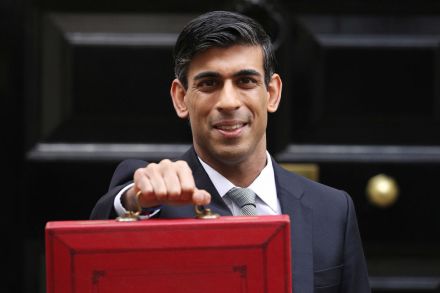
Rishi Sunak’s Singapore problem

From our UK edition

For those trying to argue that the evils of colonialism still hang over former lands of the British Empire, the legacy of racism suppressing their ambitions and achievements, the Republic of Singapore presents something of a challenge.  Just how did this particular colony manage to become not only one of the wealthiest countries in the world, but one of the highest-fliers in the United Nations' Human Development Index? Indeed, the Asian city state has once again this week been promoted as a model for its former colonial master to emulate.  It can’t just be the Guinness that has attracted investment to another former corner of British soil over the past couple of decades: the Republic of Ireland.

How will the markets respond to lockdown?

From our UK edition

What a strange non-event was the stockmarket reaction to the announcement of the latest national lockdown. Retailers, leisure companies, travel firms – all was calm. Marks and Spencer was down half a per cent on the morning, while Next was up five per cent on the back of good online results before Christmas. EasyJet was down two percent but International Airlines Group (IAG) was up 0.4 per cent. Cruise operator Carnival was down 0.7 percent but travel group Tui was up two per cent. It was just like any other day, as if nothing had happened on the Covid front. But then maybe that is because nothing much had happened. Many of the restrictions were in place already.

Where to search for property in 2021

From our UK edition

Did anyone get their predictions for the 2020 property market right? I suspect not. We’d barely heard of Covid back in January last year and, if we had, we would have probably written off the housing market for half a decade. But look at property now. Prices are up 5 per cent on average and so too is the volume of sales: £62 billion of extra transactions according to Zoopla compared to 2019. And that's despite the economic hit we've experienced over the last year. I’d suggest the upward trajectory will continue, albeit with a few wobbles. This market movement is being driven by macro factors, not local ones. Low interest rates and economic optimism surrounding a 2021 vaccine could mean continued growth.

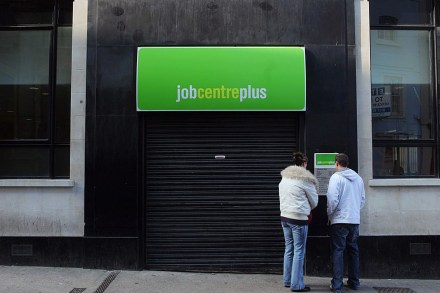
The looming Covid unemployment catastrophe

From our UK edition

Just how widely is the economic pain from Covid-19 being felt? Still surprisingly little, according to the latest employment figures from the Office of National Statistics (ONS). The absence of an explosion in unemployment goes some way to explaining why the lockdowns and restrictions have been accepted so meekly by the population at large. That said, unemployment is beginning to rise significantly now. There are now 819,000 fewer payroll employees compared with the start of the crisis in February. The employment rate stands at 75.2 per cent, 0.9 per cent down on a year ago, and the unemployment rate is 4.9 per cent, up 1.2 per cent.

The perils of shared ownership

From our UK edition

Fancy buying half a flat, paying 100 per cent of the maintenance and the cost of putting right a developer’s shoddy work? Therein lies the great scandal at the heart of shared ownership, the government scheme which BBC Panorama exposed last week but which I others were writing about over a decade ago. Shared ownership has allowed developers to put fancy price tags on properties which they might otherwise struggle to sell The concept sits at the heart of government efforts to increase the rate of home-ownership. Look around at the prices of London flats, compare them with average London salaries and you wonder how anyone can get on the housing ladder any more. But they do – sort of – thanks to shared ownership.

The problem with investing in gold

From our UK edition

The gold price, we keep being told, because investors are seeking a ‘safe haven’. The first part of that sentence is true – from £1100 per ounce at the beginning of this year, gold has surged to £1500 per ounce this week. But are those buying it really doing so because it is ‘safe’ investment? Come off it. It is easy to get on the wrong side of a stock market or property boom, but gold has proved are a far more insidious destroyer of wealth over the decades. Had you fallen for the lustre of gold in 1980, when it was selling for £280 an ounce it would have taken you 25 years to get your money back, in nominal terms. In real terms, the value of every ounce of your gold would have plunged to £98.

Will Western economies be ‘turning Japanese’ after Covid-19?

From our UK edition

Japan has announced a colossal stimulus package (£1.75 trillion) as it attempts to breathe life into its Covid-19 damaged economy. But with its finances already in a parlous state before the pandemic struck, economists and policy makers around the world are nervous about where this dramatic intervention in one of world’s most fiscally conservative nations could lead. One of the biggest problems Japan could face is its own currency. The Yen has traditionally been a safe haven in times of global uncertainty but not, it appears, right now. A fall of nearly 10 per cent against the dollar was recorded in March, as investors rushed to the world’s most powerful currency. The Yen has only had a marginal recovery since.

Disrupting the world — from a small bedroom in Hounslow

From our UK edition

On 6 May 2010 the eurozone crisis was tearing through the continent. Greece was bankrupt, and it looked as though Spain or Italy could be next. Markets were on edge, volatility was high — and then something very strange happened. The S&P 500, one of the US’s main stock indexes, began to crash. It went faster and further than it ever had before, losing 5 per cent of its value in four minutes. The shock spread to the Dow Jones, which hurtled downwards. Financial markets across the globe were going haywire. The oil price started to fall. Shares formerly valued at $50 were suddenly trading at 0.0001 cents while others soared. In little more than 20 minutes, trillions of dollars had been wiped off the value of global markets.

Beware online investment apps and ‘experts’

From our UK edition

Remember day trading, the fad for retail investors trying to emulate the hotshots of Wall Street from their spare bedrooms, and losing much of their money in the process? It is back with a vengeance, this time driven by a range of ‘disruptor’ apps which seek to lure risk-hungry traders by eliminating the cost of buying and selling assets. This time, the bets are even bigger. Controversially, some apps offer traders the chance to ‘leverage’ their bets: that is to borrow money to increase their gains. Or losses. The story of canny investors looking to outsmart the system — and the charismatic ‘experts’ that lead them — is as old as the market itself.

All forecasts are off if Iran shuts the Strait of Hormuz

Just when you thought it was safe to go back in the water…late last year, a range of forecasts suggested that the likelihood of recession in the US, with knock-on effects for the rest of the developed world, had significantly diminished. Last summer, many economists were putting the chance of a substantial downturn at 50 percent but by November, Goldman Sachs had marked it down to 24 percent and Morgan Stanley to ‘around 20 percent’. Underlying this shift were strong corporate earnings and consumer spending, plus rising hopes of a settlement of US-China trade tensions. Last month saw a sell-off of safety-first government bonds reflecting the mood, and the FT’s end-of-year forecasts included a confident ‘No’ to ‘Will the US go into recession?

hormuz

‘Fire’ may let you retire early but it’s a miserable way to live

From our UK edition

With four cats and two children to feed, I’m not very Fire. But then I am not sure I want to be. ‘Fire’ is the ‘Financial independence, retire early’ movement that has proved popular among burnt-out millennials wanting to quit the corporate rat race.  It began in America with a 1992 book, Your Money or Your Life, which advised followers to live frugally and simply in order to achieve financial independence. One of its biggest proponents is a man dubbed Mr Money Moustache, who describes himself to his 112,000 Twitter followers as a ‘thirtysomething retiree who now writes about how we can all lead a frugal yet badass life of leisure’.