Feminism

Why women are walking away from the New Right

Sam Adler-Bell recently published a profile in New York magazine about women who have left, or are quietly leaving, the New Right. Alex Kaschuta, an influential writer and former host of the podcast Subversive, publicly split with the movement after years of genuine intellectual engagement that included interviewing many of its architects, from Curtis Yarvin to Darryl Cooper. Another woman, a mother and former true believer who wrote for right-wing outlets and worked for conservative institutions, requested anonymity because she fears for the physical safety of herself and her children. Both describe a movement that once promised women a place at the table and now openly treats them, in the

new right

When women exit stage right

At the event Melania Trump hosted for Women’s History Month, the ladies in the audience had perfect blowouts and wore pastel dresses. But the speakers who took the stage were tough. They included an Olympic athlete, a single mother who worked as a waitress and Melania herself. Most of the women honored were notorious for being abrasive: among them Pam Bondi and Karoline Leavitt. The women in the crowd didn’t clap politely but cheered and hollered, as if the East Room chairs were bleachers at a football game. Rumor on the street is Leavitt, who is pregnant, will only receive three weeks of maternity leave from her role as White

Jane Austen: Rise of a Genius is projecting

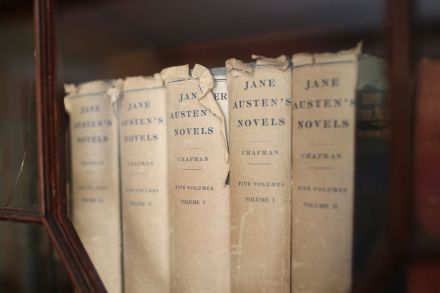
Which is your favorite Jane Austen novel? OK, maybe not a conversation prompt appropriate for every setting, but a reliable one, I find, to break the ice at DC dinner parties where I’m not well acquainted with my fellow guests but spy someone who seems likely to know her work. I also ask it of younger fiction writers who come looking for advice about plot construction. I once resorted to it with a stranger, a woman of a certain age, to distract me from my irritation, sitting on an Acela train inexplicably halted outside Wilmington, Delaware, for two hours. She chose Persuasion, Austen’s elegiac account of late-in-life love. All hew

Liberation is a witty, genuine snapshot of second-wave feminism

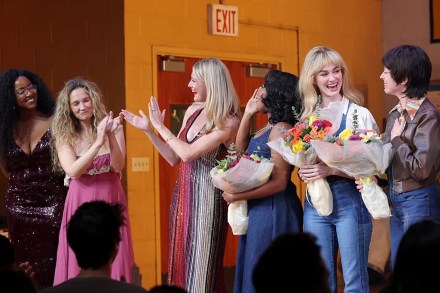
In the second act of Liberation the main cast quietly, and without fuss, starts to undress. By the time the lights go up, all six women are naked. In this masterful play by Bess Wohl, the moment does not feel shocking or gratuitous but somehow comforting. In 1970s Ohio, a group of women meet weekly to fight for equality through “consciousness-raising.” Mostly that consists of free-ranging conversation, of which the women have a lot and which is always smart, funny, vulnerable and eye-opening. But after reading an article about body positivity in Ms. magazine, they meet in the nude. As one group member, Dora, ostensibly the most beautiful, breaks down

liberation