Facebook

Both parties want to control what you say on the internet

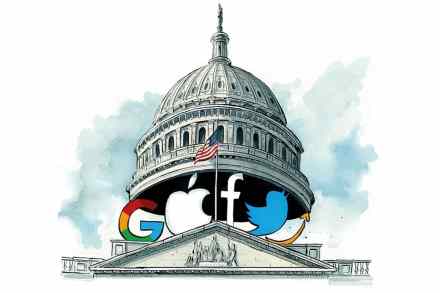
The long slog towards government regulation of social media is snaking its way towards reality. The House and Senate hold hearings this week on bills enacting rules on Facebook, Twitter, TikTok and YouTube. Many of these proposals revolve around Section 230 of the Communications Decency Act, a rather innocuous 1996 law protecting online platforms from civil liability for hosting and moderating third-party content. Section 230 includes language praising “the vibrant and competitive free market” existing for the internet and tech companies, without state or federal government rules. It’s all about to change twenty-five years later, with both major parties seeking to get their pound of ideological flesh from Big Tech.

control

The wealth explosion

Not all inventions change the world. But some do — and they do it by greatly lowering the cost of a fundamental economic input. This inevitably causes an economic revolution that brings about a new political and social order by opening previously impossible economic opportunities,  creating vast new wealth in the process. We are in the middle of such a revolution today, thanks to the microprocessor, which first came to market in 1972 and really took off with the introduction of the personal computer in the early 1980s. The microprocessor, a dirt-cheap computer on a chip, hugely reduced the cost of storing, retrieving and manipulating information. Computing power that cost $1,000 in the 1950s today costs a fraction of a cent.

microprocessor
metaverse

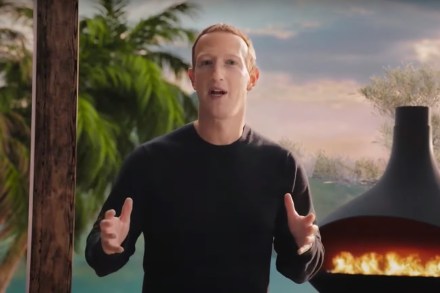
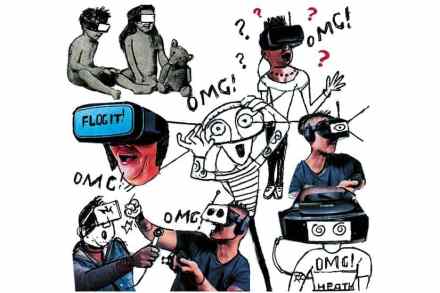
Reality is enough without Zuckerberg’s metaverse

Take my hand, darling, and off we go into the metaverse. It's a whole new world...or at least it's a new world...maybe a brave new world? Enter Mark Zuckerberg, that Titanic captain of industry, who last week released a video introducing his latest plan to leave his Nike shoeprint upon reality. It's called the metaverse, and while even the savviest tech writers are grasping to explain what it is, it appears to be the fusion of our world with the virtual. Big Zuck wants what's on our screens to spill over into real life. We lived on farms, then we lived in cities, now we will live in "home spaces" with digitally rendered pterodactyls flying just outside the windows.

Social media is nothing like heroin

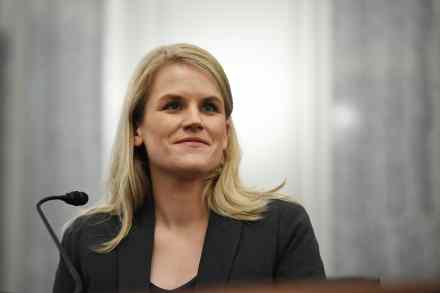
On Tuesday, Frances Haugen, speaking to the Senate Commerce Subcommittee on Consumer Protection, compared Facebook to tobacco and opioids while pushing for similar regulations. Haugen, a 'whistleblower' who came forward after Facebook dissolved her team and who admits she never worked on child safety during her time at Facebook, told a terrifying story about an app that harms young girls. Social media is like a drug. We hear this all the time. We’re powerless addicts in the face of its influence. We need to keep the kids safe from it. But is it? And do we? I used to call myself a Twitter addict. It’s the first thing I check each morning and the last thing I look at at night.

social media heroin

Two cheers for preppers

Really, the Facebook outage should not have been as entertaining as it was. As Jon Stokes, the founder of Ars Technica, observes, if Facebook, with its hyper-sophisticated software and security practices, is vulnerable to sudden collapse, what does that say about energy infrastructure run on 'old Windows installs'? The potential for far greater carnage is tremendous. But it was entertaining, and I think what it made so was the fact that the damage was so comprehensive that security systems in the Facebook offices crashed and its employees could not enter the building to fix the problem. Here were some of the smartest people in the world and they could not get through a door. You can imagine the coffee cooling in their paper cups.

preppers

Blame legacy media for spreading disinformation, not Facebook

One week after the 2016 election, Hillary Clinton’s digital chief, Teddy Goff, declared Facebook the enemy of the republic and the reason why Clinton had failed to capture the presidency. His diagnosis caught on, and the media and the Democrats had found their excuse for Trump’s election. That war on Facebook continues today. Now, a whistleblower has landed on the scene, buoyed by a powerful Democratic PR firm led by former Obama alum Bill Burton. A wave of media attention has crested that's meant to once again put Facebook in the regulatory crosshairs and demand more censorship from what's deemed to be dangerous and influential 'misinformation’.

mark zuckerberg facebook

Joe Biden’s digital serfs

The Biden administration intends to notify Facebook about ‘problematic’ postings, such as questioning the COVID-19 vaccine. Jen Psaki, the White House spokesperson, suggests that if you’re problematic on one social-media site, you should be banned from them all. Big Tech, meet Big Sister. I suppose this is still America. If Donald Trump had said he’d use extra-legal leverage over Big Tech, most of the media would be crying ‘fascism’. Brian Stelter would decry an unprecedented assault on the First Amendment. Jeffrey Toobin would bang one out about bypassing Congress and the law. Minor academics would op-ed in the New York Times about the classically fascist ‘collusion’ between government and big business.

digital

Facebook should never have stifled the debate about COVID’s origins

Good news everybody — you can finally post what you always thought about how the pandemic started on Facebook without being muzzled. The Silicon Valley giant, which has around 2.85 billion users, had been banning posts that claimed COVID-19 was man-made. But now, according to a company spokesperson, ‘In light of ongoing investigations into the origin of COVID-19 and in consultation with public health experts, we will no longer remove the claim that COVID-19 is man-made from our apps.’ The ‘lab-leak’ theory — that the SARS-CoV-2 virus originated from a laboratory in Wuhan, China — has gradually gained mainstream acceptance in the months since Trump lost the election. Nicholson Baker horrified New York magazine readers in January by bringing up the hypothesis.

facebook

Ron DeSantis’s Big Tech crusade

Miami  Florida governor Ron DeSantis signed legislation on Monday to penalize Big Tech for de-platforming private citizens and political candidates. The bill, which was passed last month by the Florida legislature, would allow Floridians who are banned from platforms to sue for damages and imposes hefty fines — up to $250,000 each day — on tech companies that boot political candidates. DeSantis signed the bill during an event at Florida International University that featured remarks from local citizens, political activists and elected officials, most of whom were of Latin American descent. Cubans and Venezuelans warned that Big Tech's crackdown on free speech was reminiscent of their home countries' slide into socialism and thanked DeSantis for pushing back on online censorship.

Florida Governor Ron DeSantis (Getty Images)

How politics ruined Instagram

Someday, we’ll count them like fallen soldiers: the online platforms that began by promising to be different, an escape from the grind of endless internet flame wars, and ended up like all the others, captured by memeified outrage. The trajectory is always the same. Tumblr, originally a home for cheeky fanblogs with titles like ‘fuckyeahsharks!’, was overtaken in a few short years by the ‘Your Fave Is Problematic’ brand of outrage archaeology. Facebook started as a place to collect your photos, share updates about your lunch and platonically ‘poke’ your friends, only to devolve into a wasteland abandoned by virtually everyone except a bunch of angry boomers battling over whether or not Hillary Clinton does, in fact, eat babies. Twitter...

instagram

Facebook keeps Trump on the naughty step…for now

The Facebook Oversight Board has reached a decision on Donald Trump…kind of. The tech company’s ‘Supreme Court’ is upholding the move to restrict Trump’s ‘access to posting content on his Facebook page and Instagram account’. But the board deemed it ‘not appropriate’ to indefinitely suspend Trump from Facebook’s platforms, describing that penalty as ‘indeterminate and standardless’. The FOB wants Facebook to ‘determine and justify a proportionate response that is consistent with the rules that are applied to other users of its platform’ in the next six months. In other words — they punted.

facebook

How to cancel someone

Cancel culture, I’m sure you’ve heard, is everywhere. Not a day goes by without some sorry sap being caught out for tweeting The Wrong Take, wearing The Wrong Clothes, using The Wrong Word. It’s not just a cottage industry: the entire digital media ecosystem is predicated on cancellation: pick your target, call them out, watch them burn and reap the rewards. Does it have to be this way? What if we didn’t all get mad — we got even instead? What if everyone was equipped with the same tools as the online witchfinders general who police popular discourse? Almost everyone has been on the internet long enough to have something on there that could hurt them. If everyone was canceled, perhaps no one would be? Let’s call it the Cockburn guide to mutually assured cancellation.

cancel culture

Unanswered questions for Big Tech

It’s been a full week since the New York Post published their first story about Hunter Biden’s laptop, which is currently in FBI possession. The purported contents of the laptop which were released selectively in several news stories by the Post include private emails and photographs. These have yet to be proven as forgeries or inauthentic. Swiftly cable news pundits and liberal-leaning journalists began wondering whether the laptop, the repair service in Delaware, or the source of the leak to the Post were part of a foreign campaign to influence the presidential election. But the DNI, FBI, DOJ and State Department all said there was no evidence to support those theories.

new york post big tech

House Republicans accuse Democrats of ignoring censorship in Big Tech report

Republicans on the House Judiciary Committee are releasing their own report on Big Tech on Tuesday, countering a Democratic report that they accuse of being too radical in its antitrust proposals. The Democrats' draft report, which leaked on Twitter earlier in the day, accused Big Tech companies of engaging in anti-competitive behavior and called for a massive antitrust shakeup of the industry, including preventing Google from owning YouTube and prohibiting Amazon from selling its own products on its marketplace platform. Rep. Ken Buck called these proposals 'non-starters for conservatives'. The Republicans' report, which is signed by Ranking Member Jim Jordan and Reps.

big tech

Bovard: yes, big tech censorship affects election outcomes

Cockburn had just returned home from his Wednesday evening stroll when he found something curious in his inbox. There tucked away was Rachel Bovard's prepared testimony for Thursday's hearing on internet antitrust laws in front of the House Judiciary's Subcommittee on Antitrust, Commercial and Administrative Law. The Conservative Policy Institute senior director's testimony focuses on the gatekeeping power of Big Tech companies like Google, Facebook and Twitter who suppress political content in ways that is harmful to free speech and democracy. Cockburn felt a sense of duty to share his scoop with readers of The Spectator, who have surely felt the sting of social media censorship.

bovard

Mark Zuckerberg’s quest for redemption

Stung by recent criticism, and fearing major regulation, Mark Zuckerberg, founder and CEO of Facebook, has announced the establishment of a kind of ‘Supreme Court’ for his company. Selected and paid by Facebook, the members of this ‘Oversight Board’ will in theory behave as independent adjudicators capable of making rulings over content moderation and other important aspects of the business. No doubt Mr Zuckerberg is looking at the example being set by the US Supreme Court and thinking, ‘What could go wrong?’ It's hard to believe now but in 2017, it seemed plausible that Mark Zuckerberg might become president.

zuckerberg

President Trump should bend — but not break — Big Tech

Americans’ increasing focus on this fall’s elections has awakened in me a tinge of nostalgia for the good old days of campaigning — before the internet changed everything. As a conservative running for the US Senate in 1994, I remember being able to connect with thousands of voters to respond to my opponents’ dishonest attacks, the press’s deceitful characterizations of my positions, local television refusing to cover my campaign events, and the character assassinations by the newspaper editorial boards. Actually, I don’t remember that, because I had no way to reach thousands of voters except by paying those same media outlets millions of dollars to buy ads.

trump

Four main takeaways from the House’s Big Tech antitrust sideshow

Here’s a terrifying thought: Mark Zuckerberg is the only person in Silicon Valley that the political and intellectual right can trust when it comes to ‘Big Tech’. Wednesday’s ‘Antitrust’ House hearing resembled a group of Neanderthals trying to reason with Data from Star Trek. The worst of both sides was on show as Democrats and Republicans jockeyed for the news cameras, rather than getting real answers on antitrust practices or how Silicon Valley bows to the authoritarian regime in China. I watched the grueling insurance seminar so you don’t have to: here are the four big lessons.1.

big tech

So, you wanted to be famous?

For decades, people worldwide have dreamed about being famous. What would it be like to live like a celebrity? To have even a glimpse of celebrity life? Well, as technology has been democratized, so has fame and the many trappings that come with it. People flock to Twitter, Facebook, Instagram, TikTok, Twitch, and YouTube to share their random thoughts, uninformed opinions, dance moves, animal photos, children’s names, and much more. The masses want to feel special. They want to be celebrated. They seek out an R.O.E. — return on ego — which comes with digital likes, comments and a hit of dopamine, instead of an R.O.I. —  return on investment — which allows you to pay your mortgage.

famous

Why corporations should not bow to the mob

Some of America’s biggest businesses are withholding their ad spending from social media sites, in order to pressure these platforms into restricting or fact-checking posts from conservative users — under the guise of ‘opposing hate online’. On Friday, Unilever, the company behind household brands Lipton, Dove, and Axe, announced it would stop buying ads on Facebook, Instagram, and Twitter to encourage those sites to be a ‘trusted and safe digital ecosystem’. Unilever joined several other major brands boycotting social media advertising, such as Coca Cola, Denny’s, Honda, and Starbucks. This corporate pressure campaign is an unfortunate example of businesses bowing to the online mob.

corporations