ESG

DEI another day

Conservatives’ loathing for diversity, equity and inclusion is easy to understand. DEI’s very mission — junking Thomas Jefferson’s natural aristocracy of talents in favor of race- and gender-based advancement — runs against everything the American right is supposed to stand for. They watched with chagrin during the Biden years as DEI offices spread across the nation, into corporate C-suites and government departments and, of course, universities. Conservative heroes in the early 2020s were those like Florida governor Ron DeSantis who pushed back against DEI in their home states. Then Donald Trump returned and all that seemed to change. Upon taking the Oval Office, he shut down all DEI initiatives throughout the federal government.
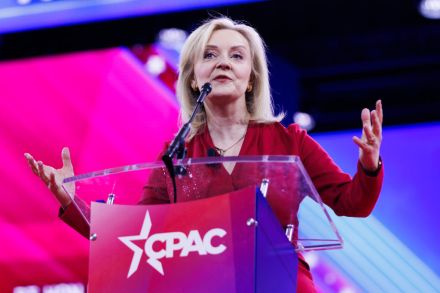
Liz Truss works the crowd at CPAC

National Harbor, Maryland “Oh, that’s Liz Truss,” a young attendee says as the former British PM passes us in the corridor at the Conservative Political Action Conference. “She sucks. What’s she doing here?” Trying to sell books, apparently. Truss is one of two Brits — alongside mainstay Nigel Farage — addressing CPAC. Her visit forms part of the promotional tour for the US release of her book Ten Years to Save the West: Lessons From the Only Conservative in the Room, which has been handily retitled for US audiences: “Leading the Revolution Against Globalism, Socialism and the Liberal Establishment.

liz truss

Four bold but real predictions for public schools this year

Last year’s report card for public schools? A resounding “must do better.” Trans athletes ruined competitive sports, the 1619 Project rewrote American History class and non-gendered bathrooms received their first human litter boxes.  As the final school bells rang on the 2023-23 school year for many Americans, popular opinion of our public schools plummeted. One Gallup poll showed just a quarter of Americans now have either a “great deal” or “fair amount” of confidence in public schooling. That represents a stark downward trend from around 1975 when more than 60 percent were confident in what schools were offering our youngsters. While trust tanked and academics atrophied, spending on education has climbed in direct inverse.

schools

Has the patriot economy’s moment finally arrived?

It’s Saturday. You just rolled out of your MyPillow Giza Dream sheets, spent a little extra time trimming your beard with your Jeremy’s Razor, and brewed yourself a fresh cup of MAGA Dark Roast COVFEFE. You call your best friend on your Patriot Mobile cellphone to shoot the breeze. Hell, it’s five o’clock somewhere. Go ahead and crack open an Ultra Right beer and waste away the afternoon. Welcome to life in the patriot economy — the parallel economy being developed by conservative entrepreneurs and investors. Or at least an exaggerated version of it. The idea of the patriot economy is fueled by two convictions. The first is that the right needs its own economic infrastructure so consumers aren’t forced to buy goods from “woke” corporations.

patriot

ESG is a surprise boon for fossil fuel giants

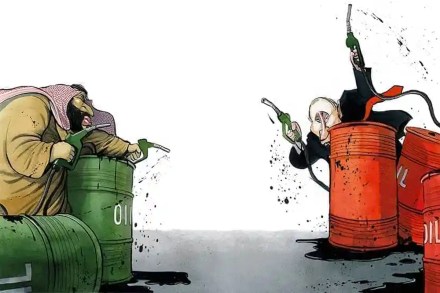
ESG, or environmental, social and corporate governance, has taken the financial world by storm. It first hit the scene in a 2004 United Nations report that argued the financial sector could rack up more profits if it focused on carbon dioxide reduction and UN-approved progressive causes and has ballooned into a big, green financial juggernaut. In 2021, ESG assets under management hit an estimated $35 trillion. Bloomberg projects that by 2025 $53 trillion will be invested in ESG vehicles — that’s over one third of global assets under management and over five times 2007’s total of $10 trillion of ESG assets.  The main thrust is to hasten the renewable energy transition to solve climate change by diverting capital from fossil projects to various green projects.

opec aramco esg

The new corporatism that’s killing capitalism

Over the years since the financial crisis, economic power and wealth has become ever more concentrated in fewer hands. This is something leaders have acknowledged, and policymakers have tried to do something about. And yet, despite brave talk of breaking up mega-giant companies, anti-trust efforts have been anemic, as most recently demonstrated by the failure to stop Microsoft from swallowing game maker Activision. The future looked a little brighter in the immediate aftermath of the pandemic. There were signs of a grassroots resurgence, with a strong uptick in new business formations in the United States. But since then, as interest rates have risen and regulatory pressures have increased, there has been a slackening off of new firms.

the new corporatism

The ESG winter is here. Just ask Larry Fink

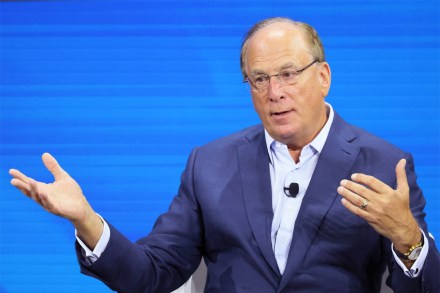
In some ways, Larry Fink is an unsurprising villain. Wall Street titans aren’t in the business of being loved, and as the Chairman of BlackRock, the world’s largest asset manager assets, Fink isn’t a Master of the Universe. He’s the guy they work for. Paradoxically, though, it isn’t good, old-fashioned greed that has made Fink a figure of popular contempt, but his quest for political approval. With a foray into win-win talk of responsible capitalism and ethical investing, Fink has turned himself, and his firm, into a punchbag for both the left and the right.  In recent years, Fink has become the face of ESG — the multifarious push to put environmental, social and governance concerns at the heart of investment decisions. At first, Fink leant into the role.

larry fink

The beautiful people turn their private jets towards Davos

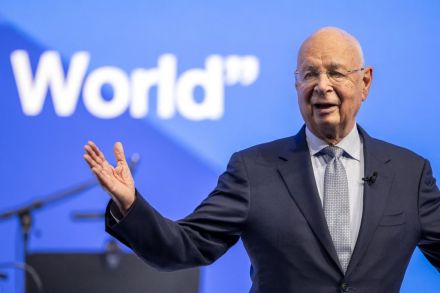
Larry Fink is unhappy. The grand panjandrum of BlackRock, the world’s largest and most odoriferously PC pile of pelf, can’t understand why the Lilliputians of the world are singling him out for abuse. Having jetted in on his private plane to the World Economic Forum (WEF) at Davos in order to join the squads of beautiful people warning about the environmental dangers of gas stoves, the moral virtue of eating bugs not meat, and the need to “recalibrate” our understanding of free speech, the poor little rich boy is pouting because people are waking up to the totalitarian reality of what the WEF stands for. What is that reality?

After the cryptocrash

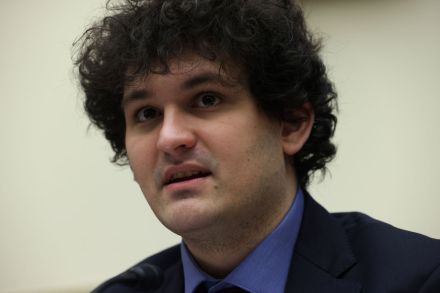
Spare a thought for Miami nightclub owners. In recent years, they rode the cryptocurrency wave, raking it in by catering to the fragile egos of geeky crypto bros eager to flaunt their newfound wealth. Now, in the midst of the cryptocrash, business has slowed dramatically. “Out of the blue, all these kids from crypto started coming down and spending a lot of money — like, an insane amount of money,” one of the city’s nightlife impresarios told the Financial Times recently. Now, he said, they have “completely disappeared.” If empty nightclub tables in South Beach are an amusing but indirect indicator of the crypto slowdown, a more immediate warning sign was the spectacular implosion of FTX, the world’s largest cryptocurrency exchange, late last year.

crypto
esg woke

The great anti-ESG backlash

For more than thirty years, Scott Adams has captured the absurdity and humor of office life in his popular syndicated newspaper cartoon strip “Dilbert.” The title character, an oblong-headed, cubicle-dwelling everyman, is one of the most familiar cartoon characters in America, but last September he vanished from more than seventy newspapers. Shortly before Dilbert’s partial disappearance, his opinionated creator had set his sights on ESG. Adams’s views on the vogue for “Ethical, Social and Corporate Governance” investment strategies weren’t exactly difficult to discern. In one strip, for example, Dilbert asks, “What is this ‘ESG’ thing I keep hearing about?

Is this the right’s answer to woke corporatism?

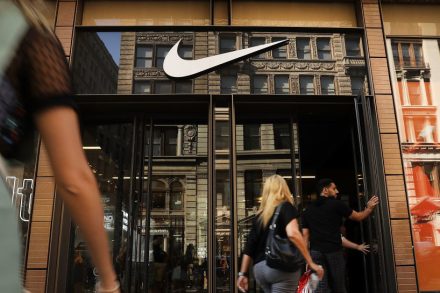
Woke corporatism has taken over America. Nike nixed a sneaker launch featuring the Betsy Ross flag after noted anthem-kneeler Colin Kaepernick claimed it was offensive. Coca-Cola and other companies threatened to boycott doing business in Georgia over the state's new election security legislation. Levi's allegedly booted its president over her anti-school closure views during the pandemic, and nearly every major retailer features pro-Black Lives Matter or Pride Month messaging on its storefronts and websites. It can seem impossible as a conservative to avoid giving your hard-earned money to businesses that hate you. Even for moderate or apolitical consumers, it can be frustrating and tiresome to be hit with a wave of political messaging when you're just trying to purchase a product.

A Nike store in Manhattan (Getty Images)

Why ESG is sinister

In contemporary finance, a bank’s “head of responsible investing” is meant to be an apostle of woke capitalism: a very modern kind of money man who tours the world touting all the good their employer is doing. So you might have expected a speech on climate change and finance by Stuart Kirk, the man with that job title at HSBC Asset Management, to be a bromide-filled snoozefest about the win-win nature of the transition to the green economy. But Mr. Kirk’s address at a recent conference on “Moral Money” was nothing of the sort. Instead, he delivered a broadside against the fashionable idea that climate change is a risk that no financial institution can afford to ignore.

esg