Why was this fêted Mexican painter left out of the canon?
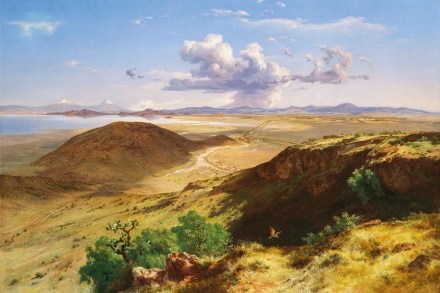
Think of a Mexican painting, and chances are you’ll conjure up an image of an eyebrow-knitted Frida Kahlo, or a riot of exotic figures by her husband Diego Rivera, or a brightly coloured guitarist by Rufino Tamayo. What you’re unlikely to have in mind is an earthy landscape with a dusty road leading to a nascent city, dotted with hyper-real plant life, and an eagle soaring under a vast, cloudy sky. This is ‘The Valley of Mexico from the Hill of Santa Isabel’ (1877), the finest work by a painter who was a household name in Mexico long before Kahlo, Rivera or Tamayo. And from next week, it and many others of his works will hang in London’s National Gallery, the first historical Latin American artist ever to have been exhibited there.