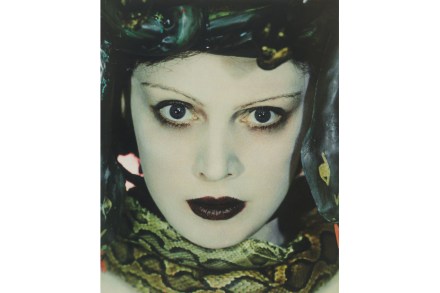
The woman who pioneered colour photography
When colour photography first came in at the start of the last century, it met a surprising amount of resistance from distinguished photographers. But Madame Yevonde loved it, owned it, revelled in it. She invested in a new Vivex repeating back camera, exhorting her fellows at the Royal Photographic Society in 1932: ‘Hurrah, we are in for exciting times. Red hair, uniforms, exquisite complexions and coloured fingernails come into their own… If we are going to have colour photographs, for heaven’s sake let’s have a riot of colour.’ But what she went on to create was far better than that. In her classical series ‘Goddesses’ (1935) she controlled colour like a Renaissance master, painting with it, creating atmosphere and character.