Drinks

What’s behind all the buzz about non-alcoholic beer?

From our US edition

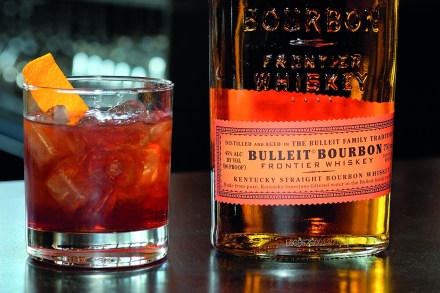
There’s nothing quite like the third swig of a gin and tonic at the end of a long summer’s day. Or of an Old-Fashioned combating Old Man Winter’s chill. The bite on the tongue. The slow burn in the belly. The gradual easing of emotional and physical tension. Except for the hangovers. There’s nothing quite like those, either. As I — sigh — age, I’ve developed a relationship with alcohol that has become increasingly love-hate: I love it, it hates me. A slight intolerance to booze, German/Irish heritage notwithstanding, has always given me a rosy flush that on round three deepens to an unflattering scarlet that could be mistaken for theatrical rouge.
non-alcoholic

Do hangover pills work?

From our US edition

Everyone talks about how your twenties are a period of change physically, emotionally and financially; of self-discovery and exploration and excitement. But no one talks about the hangover. Not the metaphorical kind; the head pounding, nauseating kind that greets you in your late twenties. I long for the days when I was twenty-one, when I could easily make fresh bread, go on a hike and write a book the day after clubbing two nights in a row. OK, maybe I didn’t do those things, but I very well could have. Waking up fresh-faced (ish — my skincare regime was non-existent back then) and refreshed after a shower and a coffee, the idea of a hangover was an urban myth and something I’d blissfully had no experience of.

hangover pills

The best alternatives to Diet Coke

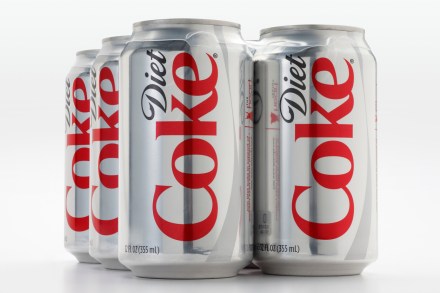
British media wouldn’t be British media without endless stories of possible health risks in food and drink. The news cycle turns and we land on whether butter is good or bad, or whether having a glass of red wine in the evening is toxic or therapeutic. Another long-running, oft-studied and frequently-discussed topic of debate is aspartame, the artificial sweetener found in the likes of Diet Coke and Coke Zero. The latter is a favourite drink of mine.  Aspartame has suffered its fair share of derision in the past, but it is now being officially declared a ‘possible’ cancer risk by the International Agency for Research on Cancer, a World Health Organisation body.

Why cocktails are superior to wine

I often argue that, in theory at least, well-made cocktails are indisputably better than wines costing 20 times more. My argument runs as follows. In making a cocktail, you can mix, in any combination you wish, any of the liquids known to humanity. In making a wine, you are stuck with using grape juice harvested by grumpy Frenchmen from scrubland east of the Gironde. Mathematically, the odds that the best drink you can generate derives only from a few bunches of such grapes is so small as to be infinitesimal. Besides, almost no one drinks grape juice, and nobody has ever seriously tried to sell non-alcoholic wine. If it really tasted all that good, these things would have taken off by now. Yet one reason people like wine is because our judgment is highly relative.

Sumptuous drinks to serve in your garden

It’s finally time. After long months walking in the park and pounding coffees in the street you can have a small number of pals over as long as they stay in the garden. Will you have a few drinks when then come by? For the first time in months? Just a couple…? Yes, you absolutely will. Here are some of the best things to serve while you to remember how to have a conversation with more than two people. There are a few cocktails among the bottles and cans but they’re kept pretty straightforward to make sure you’ve got plenty of time for overdue chat. Gin/Whiskey Smash A laidback relation of the julep and the cobbler, the smash is one of the original cocktails, traceable to the mid-19th century.

Four twists for your G&T

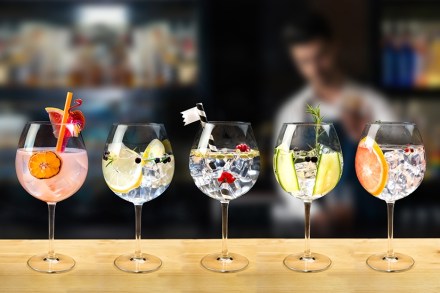
The gin and tonic is a beautiful thing. Refreshing, anti-malarial, and fixable by even the least confident home bartenders. However, malaria rates are at an all-time low in the UK and over-reliance on old favourites is a sure-fire route to monotony and disenchantment. There’s a whole wide world of ways to knock back gin so why not give the tonic water a rest and try something different when 5pm rolls around? Gin Rickey American lobbyist ‘Colonel’ Joseph Rickey liked his rye whiskey and soda with a squeeze of lime for extra zip. He was an influential man in Washington DC and in the 1880s his signature drink became something of a phenomenon in the city’s bars. At the time, it wasn’t unusual to see variations made with brandy and Bourbon.

What to drink on St Patrick’s Day

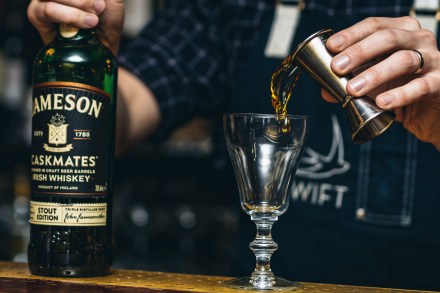
St Patrick’s Day is coming. Which means people all over the world will be repeating that thing they’ve heard about the pints being better in Dublin, claiming that they’ve read Portrait of the Artist, and championing Irish family connections through some obscure branch of the family tree. When it comes to refreshments on the day you could do a lot worse than a few cans of stout or cider. Bushmills Black Bush (£22; Waitrose) and ginger ale - 1:2 ratio, lots of ice, wedge of lime - is one of the all-time great highballs and would also do the job nicely. However, the old classics are by no means the only choices for Patrick’s day merriment. Whiplash Cream on Chrome DIPA, 8% (£5.

Old fashioned values

From our US edition

Take your time. Measure twice. Finish what you start. How will you have time to do it again if you don’t take time to do it right the first time? Work hard at work, then come home. Loosen your tie and relax. Make a highball or mix a cocktail for your wife and yourself. Share the end of the day. We are brothers and we write here of a drink and the man who taught it to us, our father. Teaching us how to make it, he also taught us something of how to live. He was a chemical engineer, and so the formula was important. The drink was the Old Fashioned (or Old Fashion; it doesn’t matter), and this is how he made it.

old fashioned