David cameron

The View from 22 – Cameron’s first reshuffle, Heathrow and the richer sex

From our UK edition

Has David Cameron's reshuffle been a move to the right, a rearrangement of chairs on a sinking ship or will it make no difference at all? On this week's View from 22 podcast, Fraser Nelson provides his take on what the reshuffle says about the future direction of Cameron's premiership: 'I think we've seen David Cameron stamp his authority on the government. This is a very unusual government, because it's very close at the top and very loose at the bottom. You did have a situation where the coalition had started to become more warring groups than joint partners. David Cameron has sent in strategically placed shock troops to try to rein people in. For example Vince Cable now has two pro-reform Tories to look after him.
The peer who came in from the cold

From our UK edition

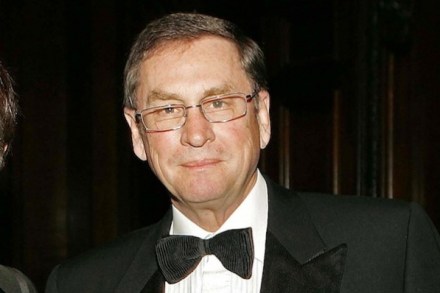
Mr Steerpike reported last week that the Tories’ shadowy donor-cum-puppetmaster, Lord Ashcroft was shunned in America. But it’s not all bad news for the man dubbed the sleaze of Belize. Last night Downing Street announced that he has been appointed to the Privy Council and made 'Special Representative for Veterans’ Transition’. While the worthiness of the new role is not in doubt, some observers might raise an eyebrow at the choice of Ashcroft and the timing. The one time Deputy Party Chairman has been very much on the outside since his tax affairs blew up before the 2010 election. And questions about one of companies, BCB Holdings, breaking London Stock Exchange rules arose earlier this year.

PMQs old game

From our UK edition

It was straight back into the old routine at PMQs today. Ed Balls heckled the Prime Minister who shouted back, John Bercow managed to call several of the MPs who irritate the Prime Minister most, and Cameron was, perhaps, slightly ruder to Ed Miliband than he had been intending to be. Miliband’s attack, followed up by several Labour backbenchers, was that no one should believe Cameron’s new initiatives on housing, infrastructure and planning given that the PM’s previous, much heralded initiatives on them have not delivered. The point is debatable. But Cameron responded, as he so often does, with a slew of insults — some clever, some not so.

Ken Clarke: A Political Giant Mistreated by his Youngers and Lessers – Spectator Blogs

From our UK edition

Say this for David Cameron's autumn reshuffle: it hasn't unravelled as quickly or spectacularly as George Osborne's last budget. Hurray for that. But nor has it been deemed a grand success. See Telegraph writers here, here and here for evidence of that. If you want to make a difference - that is, if you wish the general public to sit up and think, By Jove, he's finally got it - you need to defenestrate an admiral or two. A reshuffle that leaves the Great Offices of State as they were cannot pass that test. Which means, I'm afraid, that only sacking George Osborne would have made this a memorable reshuffle. Like Tony Blair before him, Cameron may yet regret not dealing with his Chancellor.

Morale, communication and party discipline are key to David Cameron’s first reshuffle

From our UK edition

Iain Duncan Smith’s decision to stay at DWP means that the reshuffle is not quite as radical as some in Downing Street were hoping it would be. But it still represents some significant shifts. First, party discipline and morale have been prioritised. Andrew Mitchell will lead a more robust Whips office and Grant Shapps will be an energetic chairman, though it is worth remembering that he had made clear in recent weeks he would prefer a department. In policy terms, there appears to be a well-calibrated move to the right. Chris Grayling will argue for rehabilitation from a distinctly Conservative point of view.

Morning of the Blunt Knives – Spectator Blogs

From our UK edition

Provided you remember a few simple rules the Expectations Game should be the easiest test to pass in politics. It is not complicated: under-promise and over-deliver. Or, more succinctly, never hype anything. So only fools trail a cabinet reshuffle with the suggestion it will be some kind of transformational shot-in-the-arm for the government. First, doing so concedes that your government is not doing very well at present (otherwise there'd be no need for the reshuffle); second it all-but-demands the press responds to the reshuffle with extra vinegar and cynicism. Is this it? Blimey. Better by far to promise little and actually clear the bar you've set at a modest level for yourself.

David Cameron’s reshuffle as it happened

From our UK edition

This was a live blog from 4 September 2012. The latest entries at the top and you can scroll down to read the event as it happened. 20:00: That's all folks - it's time to close up the blog. Downing Street have released their final list of ministerial appointments today. We hope you have enjoyed our live coverage of David Cameron's first cabinet reshuffle and do come back to Coffee House for the latest developments from Westminster. Good night! 1938: Looks like Cheryl Gillan's ex-PPS Glyn Davies is pleased to free from his shackles: Like frisky young heifer in spring when first turned out to grass - free to gambol. Now my boss has gone, not fettered by PPS restraints. — Glyn Davies (@GlynDaviesMP) September 4, 2012 1915: More junior roles are being announced. No.

Two groups to keep an eye on in the reshuffle

From our UK edition

The reshuffle is now under way. We already know that Andrew Mitchell is taking over as the chief whip, Baroness Warsi has just announced her departure via Twitter and the word now is that Ken Clarke is likely to move from Justice Secretary to Leader of the House. There will be live updates on Coffee House throughout the day as MPs start filing in and out of Downing Street, but before the shuffling begins properly, here are some names worth keeping an eye out for. These are the coalition casualties: MPs who served on the Conservative front bench when the party was in opposition but were not offered ministerial posts when the coalition formed. Some, like Stewart Jackson, have already become hardened rebels, but for others, this is their last shot at getting into government before 2015.

The Conservative party has an empathy problem. Does it care about that? It should. – Spectator Blogs

From our UK edition

For people in the communication business politicians have an uncanny ability to confuse even their better intentions by resorting to clumsy, even stupid, language. Thus David Davis earlier today. When normal people hear the phrase "shock therapy" I'm pretty sure they associate it with pretty awful, even ghastly, measures that, most of the time, don't even have the saving grace of working. You wouldn't want any of your relatives to be given shock therapy. It's A Clockwork Orange or One Flew Over the Cuckoo's Nest stuff. Davis is not alone. Dominic Raab says the "talented and hard-working have nothing to fear" from removing "excessive" employee protections. I suspect many hard-working people, including talented hard-working people, might say it's damn easy for him to say that.

Baroness Warsi begs

From our UK edition

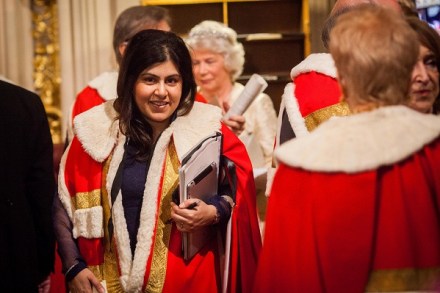
You know the story: Baroness Warsi is to be relieved of her duties as co-Chairman of the Conservatives. That at least is the expectation as the reshuffle nears. Warsi clearly expects such an outcome; otherwise she would not have told the Telegraph that she must remain in post if the Tories are to win the next election. She said: 'If you look at the demographics, at where we need to be at the next election, we need more people in the North voting for us, more of what...I call the white working class. We need more people from urban areas voting for us, more people who are not white and more women...'I play that back and think: 'I’m a woman, I’m not white, I’m from an urban area, I’m from the North, I’m working class – I kind of fit the bill.

Cameron and the truth about debt

From our UK edition

In Tampa, the Republican conference has heard a line of powerful speakers talk about government debt in compelling and urgent way. There’s a contingent of eight Tories out there, led by party chairman Sayeeda Warsi, but I doubt they’ll be taking many notes. The finely-honed attack lines that the Republicans are coming out are more use to Labour than to the Tories. Take the below, from Paul Ryan’s speech on Wednesday. 'They’ve run out of ideas. Their moment came and went. They were elected in the middle of a crisis, as they constantly remind us, but they’re now making it worse. They have added £11,000 of debt for every man, woman and child in the country. Thousands have graduated from university, ready to use their gifts and get moving in life.

Tory MP: Cameron is a chambermaid to the Lib Dems

From our UK edition

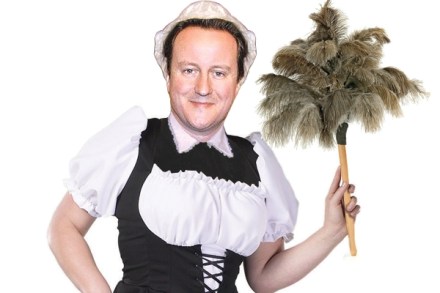
Yesterday David Cameron was a mouse, and today he's a chambermaid, according to another one of his imaginative backbench MPs. Brian Binley, the Conservative MP for Northampton South, has written a fierce blog in which he tells David Cameron that he doesn't need a reshuffle that will simply amount to 're-arranging the deck chairs on the Titanic': he needs a change in direction and a re-think. Binley attacks the way the Prime Minister relates to the Liberal Democrats in government, saying: My point is that Mr Cameron should never have hitched his star to any of the self-indulgent lunacy that has been characteristic of the unreasonable demands of his coalition partners. It was always going to fail, and has created unnecessary distance between him and the country.

Lord Ashcroft frozen out, again

From our UK edition

The Tories’ shadowy donor-cum-puppetmaster has been given the cold shoulder, yet again. Taking full proprietor privileges at ConservativeHome, he’s taken aim at young Dave’s departed brain, Steve Hilton. It seems that the guru has left the Lord of Belize off his Republican National Convention party guest list: ‘Apparently, the event to be seen at is to be hosted by none other than Steve Hilton. Unreliable rumour has it that he has taken for the occasion an enormous house on Tampa Bay's prestigious Harbour Island. What can he be up to? Clearly he is keeping his hand in. Unfortunately my invitation has not arrived so I can report no further for the time being.

Never mind about David, we need to talk about George

From our UK edition

It’s a familiar theme: the Tory conference is approaching, David Cameron is in trouble and knives are coming out for him. But how much of the problems are of his own making, and how many have come from the Treasury? Tim Montgomerie focuses today on No.10 (£), saying that Prime Minister must come out fighting for his own survival: 'Gay marriage is only the latest issue that is beginning to create the dangerous impression that Mr Cameron is smaller than the events, factions and tides of public opinion that swirl around his Government. The Prime Minister is no longer seen as his own man. People wonder if he’s in command of his own destiny, let alone the nation’s. He can’t cure our economic ills because everything Britain does is overshadowed by the eurozone.

Reshuffling the whips won’t solve Cameron’s rebel problem

From our UK edition

One of the biggest problems that David Cameron faces at the moment is discipline within his own party. He was astonished by the size of the rebellion on the second reading of the House of Lords Reform Bill, which he had expected to be much smaller. He is now considering what to do with the many talented Conservative rebels as he approaches the September reshuffle: does he promote some more of those who revolted over Europe, but leave the Lords rebels languishing in career Coventry for a little longer? The Guardian carries a story by Nick Watt which suggests Cameron isn't just going to tackle bad behaviour by keeping rebellious spirits on side, though.

Farage eyes working class Labour vote

From our UK edition

One of the solutions Tory MPs are mulling over now the boundary reforms are dead in the water is some sort of partnership with UKIP to boost the party's chances in 2015. As many as 60 per cent of Conservative activists are reported to favour such a pact. But David Cameron has yet to show any sign that he's warming towards the party he once described as consisting of ‘loonies, fruitcakes and racists'. If he is not careful, Cameron's hand may be played for him. The Eurozone crisis may finally come to a head, which could lead to a soar in UKIP’s popularity. The Prime Minister might then have to broker a deal to avoid electoral meltdown. If he refuses then, Nigel Jones thinks another Tory leader might be more willing.

Cameron does not have to worry about the lack of big donations, at least not yet

From our UK edition

Are the big Tory donors running away from David Cameron? The Times reports that many of the major backers have held back on coughing up funds, as a result of their dissatisfaction with Cameron's leadership: ‘Some donors have told The Times that they are pessimistic about the next election. Other donors complain about government disarray, lack of action on the economy, irritation at gay marriage plans and the party’s stance on bonuses and bankers. Boris Johnson is attracting some interest from the donor community, according to two of them.’ So far, the Tories are £1.28 million down on the same period in 2011. But it is the depleted income from Lord Ashcroft, Michael Spencer, Lord Harris and Michael Hintze that is most apparent.

Proalition risks becoming a noalition

From our UK edition

The Conservatives and Liberal Democrats are preparing for their last-ditch attempt to kiss and make up before having to accept their union is over. The coalition partners are heading into the conference season with a positive attitude they hope will carry them through 2015 (and potentially beyond). A new word to describe the second coalition love-in has entered the Westminster lexicon this week — ‘proalition’. Both sides are desperate for proalition to work. Not out of a desire to work together, but out of sheer necessity. If the coalition falls apart in the near future, both parties would face annihilation at the polls.

Ministers fail to sell themselves on playing field sell-offs

From our UK edition

If you're a minister, or even the Prime Minister, and you take to the airwaves holding a page of figures aloft, it's always a good idea to make sure the figures are actually correct before you enter the studio. When David Cameron read out a break down of playing field sales on LBC radio during the Olympics, he was trying to crush reports that under this government, schools are continuing to reduce their sports facilities in return for money. You can watch the film of Cameron with his sheet of paper here. The problem is that this sheet of paper wasn't actually correct when it said there were only 21 sell-offs, and as Christopher Hope reveals in today's Telegraph, there were actually 35 applications to sell school playing fields, of which 30 were approved.