The clandestine side of Roger Scruton
From our UK edition
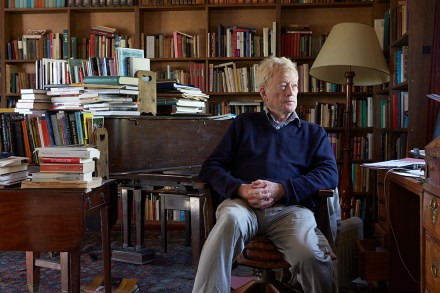
Sir Roger Scruton is remembered by most people as a conservative philosopher. Softly spoken and thoughtful in conversation, he was brave and unconventional in his views. Few things are as unconventional as being a convinced and articulate conservative. It cost him advancement in the academic world. But he was admired, liked and even loved by many. And today his work continues to be influential. But there was a part of Scruton’s life that is not well-known. It was clandestine. This secret life is currently being commemorated and honoured in an exhibition in Brno, the historic and rather beautiful second city of the Czech Republic. It is a two-and-a-half-hour train journey from Prague unless you are willing to face a direct flight on Ryanair.