Cryptocurrency

Meet Sam Bankman-Fried’s crypto-enablers

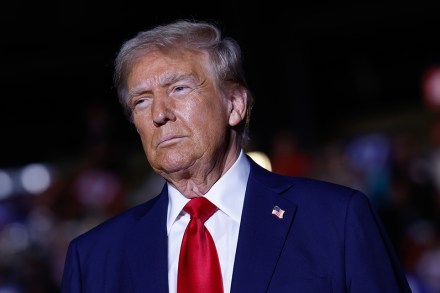
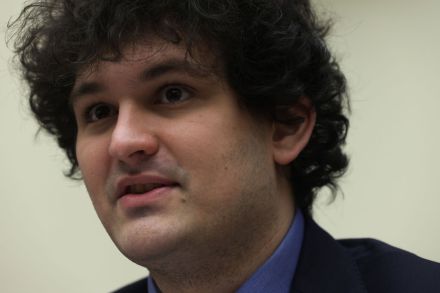
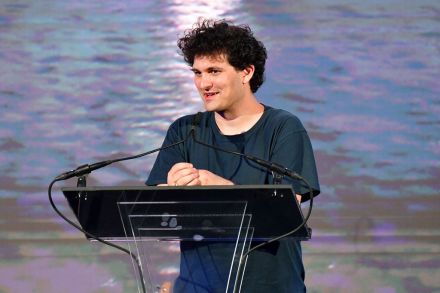
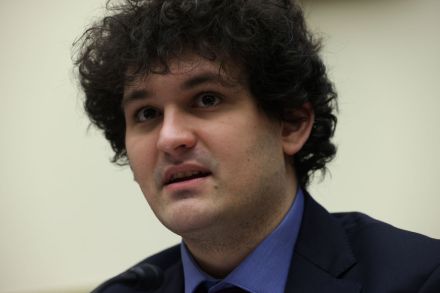
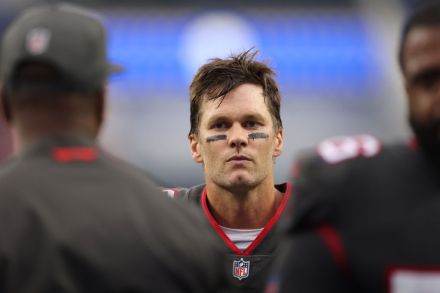
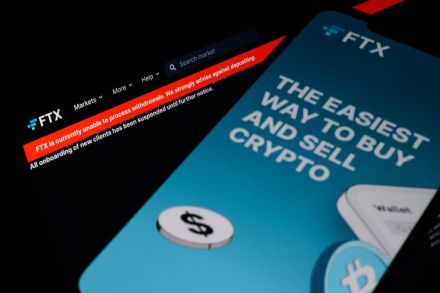
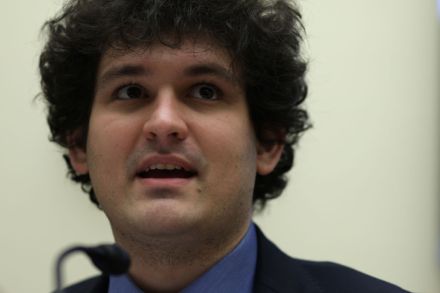
Things aren’t going well for Tom Brady. His team, the Tampa Bay Buccaneers, has a losing record. He is getting divorced, and FTX, the crypto exchange he was touting a year ago — and in which he was invested — has gone bust. He isn’t the only sports star with egg on his face after the collapse of FTX. Stephen Curry, Shohei Ohtani and Naomi Osaka, to name just three, also got greedy and believed the vision of Sam Bankman-Fried. Overnight, Sam Bankman-Fried has gone from crypto wunderkind to infamous huckster. The celebrities, influencers and traditional media outlets that helped make him a star shouldn’t be allowed to absolve themselves as quickly.

Tom Brady Sam Bankman-Fried

Saying goodbye to the crypto nerd utopia

It’s been a great year for those of us who didn’t have the nerve to invest in crypto. The value of Bitcoin, Ethereum and Luna crashed in May. Now, crypto giant FTX has gone bankrupt amid serious allegations of criminal misconduct. At last! For years, we kicked ourselves for not investing in Bitcoin, ETH, et cetera, when we had the chance. We heard tales of people who went from bums to millionaires, while we grinded in our offices and fretted about debts. Suddenly, we can reframe our risk aversion as foresight! Of course we knew that this would happen! Of course we did! Really, I shouldn’t joke about this crypto craziness. A lot of people have lost a lot of money. People will lose businesses, homes, and families. Some might even commit suicide.

The fall of Sam Bankman-Fried is crypto’s Enron moment

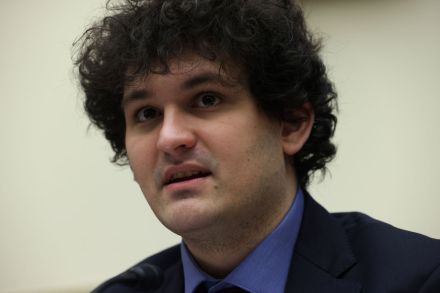
In recent weeks, the world’s richest man and his flailing attempts to figure out what to do with Twitter have dominated the news cycle. However, his unhinged management-by-tweets reality show are nothing compared to an almighty tussle between two crypto-bros. Internet magic money (aka crypto) billionaire Sam Bankman-Fried, better known as SBF, is the man behind FTX, a crypto exchange. He seems to have angered fellow magic money billionaire and fremeny, Changpeng Zhao, better known as CZ and CEO of the rival exchange Binance. It might have to do with FTX cozying up to regulators to get the regulations beneficial to the FTX but not its rivals.

Sam Bankman-Fried

Smart contracts are the future of gun control

I pulled into the Walmart parking lot a little after midnight. Apart from the black Chevy Tahoe I was there to rendezvous with, it was almost empty. The driver, who I only knew as SouthernSigFan7 from the Texas gun forum we both frequent, was standing to the side of the SUV with a smartphone in one hand and a gun case in the other. The AR-15 I was about to buy from him was in that case. I could see he was getting his crypto wallet ready to receive the $2,000 in cryptocurrency I was about to send him to pay for the rifle. This sounds super shady — two total strangers meeting anonymously in a parking lot to exchange crypto for guns — but it’s actually far superior to the old instant background check system it replaced.

gun sales nft

El Salvador’s crackpot currency switch

If you’re reading this in El Salvador, you’re probably taking a break from street protests against President Nayib Bukele’s adoption of bitcoin as legal tender, enacted last week. This small, heavily indebted Central American republic abandoned its own currency, the colón, 20 years ago in favor of using the US dollar — and has enjoyed relative financial stability ever since. The populist right-wing president’s insistence on shifting to the unregulated, ultra-volatile virtual currency favored by gamblers and money-launderers will supposedly bring savings of $400 million a year in commissions on the remittances from expatriate workers on which his economy depends.

el salvador

Crypto casino

When I was in high school, I worked at an ice rink in the winter and a swimming pool in the summer. My friends toiled at Target and gofered at golf courses, making minimum wage and spending it on gas and low-rise jeans from Abercrombie: it was 2008, after all. These days, gas may still cost $4 per gallon, but now the jeans are high-waisted and the teens are more ambitious. My youngest brother Ted is 18. He spent the summer before his first year in college working in a cheese shop, sweeping floors and straining ricotta: a classic summer job, tedious and stress-free. Yet some of his friends are taking a different route. Ted’s buddy Tom just cashed out $3,000 in bitcoin winnings to buy a weeklong Airbnb in Ocean City, Maryland for all his friends.

crypto

Into the Darknet Diaries

Do you ever get the sense that no one in legacy media knows any weirdos? And, given how deeply strange our world has gotten lately, how that might be a problem? From the New York Times’s inability to find any Trump voters to talk to until they were literally storming the Capitol to the widespread media panic about incels, to the total ignorance of QAnon until the conspiracy theory movement had gobbled up thousands of people’s brains, it just feels like if our reporters were in touch with the malcontents and drifters and losers, they would understand the world a bit better. Nowhere does the gap between coverage and reality seem bigger than in the field of technology and the internet.

darknet

Show us the money

No one likes to waste a good crisis, and the digital-payments industry is certainly trying its hardest to spin the narrative that COVID-19 is about to deliver the coup de grâce to cash. Various lobbying efforts culminated in a recent CNBC report claiming we have all switched to payment apps to avoid catching the disease from dollar bills. A ‘cashless customer’, Heima Sritharan, supposedly speaks for the entire millennial generation: ‘Not that I was using cash that much before, but I find that during Covid especially, I just don’t want to use cash as much because of the germs aspect.’ The report quotes a figure from the Pew Research Center suggesting that 34 percent of consumers under the age of 50 went the previous week without making a single purchase with cash.

money cash cashless

Should we fear Facebook’s cryptocurrency?

The cryptocurrency winter has turned to spring: having slumped from $20,000 in late 2017 to $3,200 a year later, bitcoin has lately risen like a rocket to $8,800. Though it doesn’t change my negative opinion, I admit that if I had bought a fistful of these wacky gaming chips last October when I gave the crypto concept a kicking at our Spectator conference on the subject, I’d be up almost 40 percent. Evidently, hints from the US Federal Reserve and the European Central Bank that further bouts of ultra-low interest rates and quantitative easing may be in the offing have spurred what the FT calls ‘a rally in riskier assets’. Crypto is the new gold for those who distrust central banks and seek stores of wealth that governments can’t reach.

cryptocurrency

The nightmare after crypto

What’s worse to lose – your keys or your wallet? That’s the question more than 100,000 angry investors who used the QuadrigaCX exchange to purchase cryptocurrency now contemplate. The apparent sudden death in December of Canadian Gerald Cotten, the exchange’s 30-year-old founder, has without warning left them in a $250 million-shaped hole. Mr Cotten, who had Crohn’s disease, is said to have died while on honeymoon in India after his bowel became perforated during what is reported to have looked at first like a bad case of Delhi belly. With him, we are led to believe, went the only crypto key to the place in which QuadrigaCX investor money is stored – repositories known as offline ‘wallets’.

gerald cotten quadrigaCX