Conservation

A glimmer of hope for the blue planet

From our UK edition

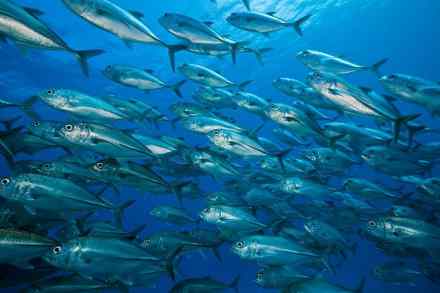
You might think – with its feeding frenzies, vertiginous seamounts, perilous weather and deep history of the monstrous – that the ocean was a wild enough place as it is; but according to the environmentalist Charles Clover it has systematically been ‘de-wilded’ by decades of commercial overfishing, and our seas are now in urgent need of healing. I believe him. When it comes to conservation, fish hold less appeal than terrestrial fauna: they are perceived as cold-blooded, mostly invisible, lacking in charisma, and often delicious – plus, for centuries, there existed the comfortable delusion that their stocks were inexhaustible (even a proof positive of divine benevolence).

Four difficult women who fought to preserve the English countryside

From our UK edition

One thing that Covid lockdown made us appreciate was the importance of being outdoors. When we were finally allowed into them, national and local parks became chockfull and many people rediscovered that being in the open had health benefits. How timely, then, that Matthew Kelly has written an account of four redoubtable rural activists: Octavia Hill, Beatrix Potter, Sylvia Sayer and Pauline Dower. He describes them as ‘the women who saved the English countryside’ – which is perhaps a bit of a stretch, though it’s true that individually they fought tooth and nail to preserve vast tracts of it.

Liberalism and existential insecurity

After 1789, conservatism was the party of insecurity, pessimism and fear, liberalism the party of confidence, optimism and eager anticipation, down to the early years of the twenty-first century when the mood of hubristic triumph that followed the collapse of the Soviet Union deflated almost overnight, in the United States especially, where liberal democrats have come to resemble the “normal American of the pure-blooded type” whom Mencken described as going “to rest every night with an uneasy feeling that there is a burglar under the bed, and... [getting] up with a sickening fear that his underwear has been stolen.

liberalism

The hidden victims of the South African shutdown

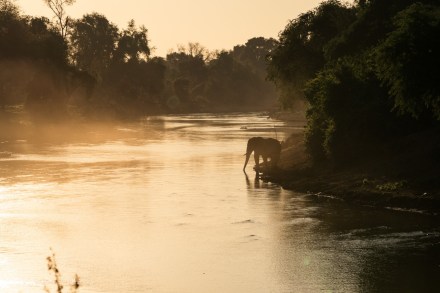
I sit in a National Park in South Africa, looking at an empty restaurant in which a robust staff, hired on for the peak international travel season, stand idle and bored. Many will likely be let go next week as the tourism declines yet again. Many were out of work for a year and only just hired back. The ripple effect of the latest travel shutdown is felt immediately here. Many parks in Southern Africa lost 80 percent of funding through the last shutdown, which in South Africa was one of the most severe. We work here with the Rangers, tasked with protecting the last great population of rhino and elephant, and they cannot afford boots, let alone salaries to pay the staff who work without pause.

south africa shutdown

Leftist tree-huggers and backwoods conservatives unite!

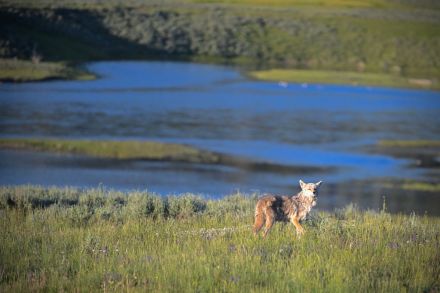
There is paradox among 'outdoorsy' people that manifested itself to me in an indelible way over the weekend. Being something of a 'crunchy con,' I took part in the Pennsylvania Environmental Council’s Public Lands Ride — a group bicycling event that tours riders through Moshannon State Forest — that happened to take place on opening day of archery deer season this year. I was biking beside Six Mile Run, admiring the picturesque outline of a lone fly-fisherman standing in the glittering stream, when I glimpsed a tired-looking Subaru Outback parked along the side of the gravel forestry road. 'A support vehicle,' I thought, wondering why the volunteer would choose to set up her station so close to the one I’d just passed.

nature

The fury and frustration of living in a listed building

From our UK edition

You have to really love old houses to buy a listed building. My wife and I know this to our cost. We’re now on our third in a row. In each case we swore we’d never make the same mistake again and then, idiots that we are, we’d be seduced by some deceptively charming little gem and the same story would unfold. It’s not just that old houses are likely to be impractical by modern standards: cold, crumbly and liable to leak. You accept that there’s a price to pay for character and historic heft. Most of these problems can also be lessened with some hard — and usually extremely costly — work. No, the challenges posed by the house itself must be accepted with good grace. The fury and frustration lies in dealing with conservation officers.

Beware of beaver fever

From our UK edition

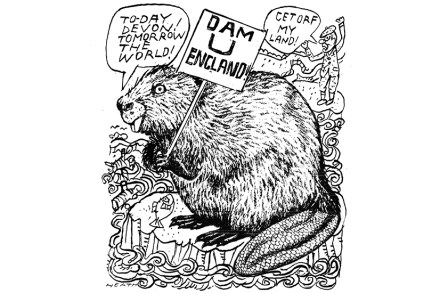
Exmoor has just witnessed the first beaver birth in more than 400 years. Last August, fisherman Simon Cooper argued for caution when it comes to reintroducing the extinct species. The verdict is in: hooray for beavers! The rodents that once roamed the wetlands of Britain, hunted to extinction in the 16th century, have been gradually returning to our rivers for some years now. The first, discovered on the River Tay in 2006, had either escaped from enclosures or, more probably, were deliberately (and illegally) released into the wild. In England the first were found on the River Otter in Devon in 2013. Following a five-year report by the Devon Wildlife Trust, the environment minister Rebecca Pow this month gave them the right to live, roam and reproduce.

Is it too late to save Britain’s ash trees?

From our UK edition

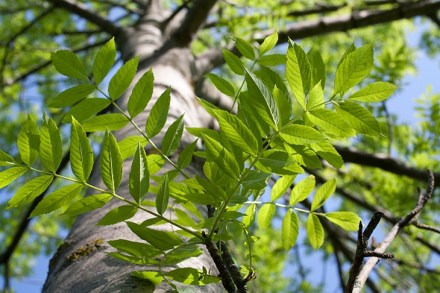
Once we wrote poems when we lost our trees. Now we just watch them rot. In 1820 John Clare was moved to mark the end of a single tree he had loved: ‘It hoples Withers droops & dies.’ In 2020, so many English trees are dying that it would take a library of Clares to record the casualties. This year, locked-down in Derbyshire, I have been watching skeletons amid the green, hoping that they will return to life. Almost all have. The last of the great field ashes are only just coming into leaf, scarred by late frosts and drought. A row of oaks I ride by most days has dead leaves that crunch in my fingers when I reach up from my horse. The frost got these too — but beneath the brown there are fresh shoots.