Computers

My father gave me the internet

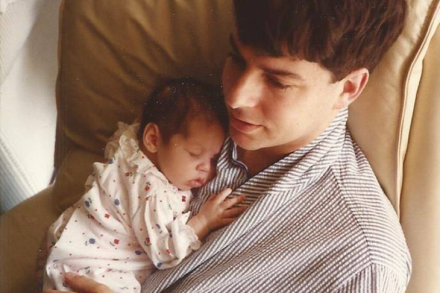
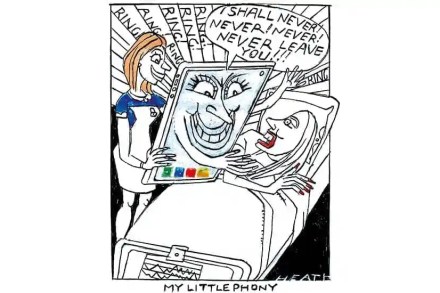
My father went into the kitchen for a cookie, then disappeared into his home office for a phone call. He was arranging a surprise for my mother – hired waitstaff for Christmas Eve dinner, one of the biggest our family would have hosted. Then he died. It took 15 seconds. We found him within minutes. The waitstaff called back 11 times over the next two days. I thought they were debt collectors. Finally, I went into his office, where we had found him, picked up his phone, and yelled, “He’s gone! Stop calling!” That’s how I learned what he’d been doing. They were trying to confirm. And in the corner of my eye, on his bookshelf: Irish Folk and Fairy Tales by W.B. Yeats.

father internet

Prince Andrew finds refuge in video games

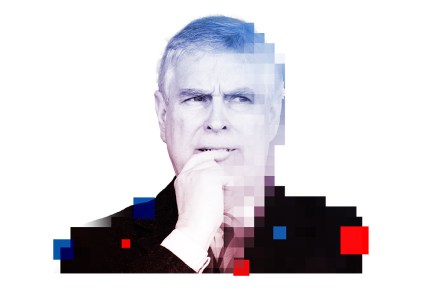
Oh God, not that. That’s all we need, I thought, reading in a long account of Britain’s Prince Andrew’s current travails that “according to visitors to Royal Lodge,” he now “spends much of his time playing video games.” Even before all the unpleasantness with the child-rape allegations against Jeffrey Epstein, one of the Prince’s more embarrassing qualities was his appearing as an “ambassador” for this or that – usually accompanied by a helicopter trip to a golf course. Now he’s reduced – no chopper, no putting green; woe is him – to being an ambassador for adults who play video games. As an adult who plays video games, and even writes about them from time to time, I generally welcome news of figures in public life who do the same. Not on this occasion.

prince andrew

The digital habit

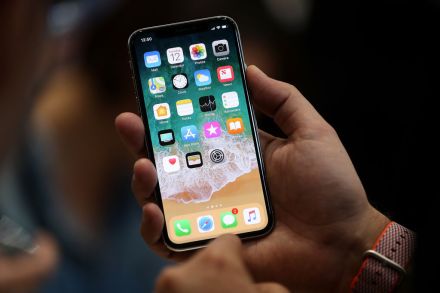
In an era that claims to value the authentic, the direct and the natural, the word "processed" has negative connotations, as in “processed” food. Nevertheless, it describes exactly how perhaps nine-tenths of the human race — including, I imagine, the lost Indian tribes of the Amazonian wilderness — experience reality these days, which is to say processed through electronic media, social media and the oxymoronic smartphone.

digital

My month using a tablet instead of a smartphone

Several years ago — long before Elon renamed it X, restricted most features behind a paywall and made it altogether less pleasant to use — I uninstalled Twitter from my phone. Then, on my laptop, I set the Minimal Twitter extension to hide all interaction counts. I still have no idea how many followers I have.  I wasn’t hopelessly addicted to the site, nor was it enraging me on a frequent basis. Put simply, though a Twitter-using liberal, I was not a “triggered lib.” But whenever I wasn’t doing something else, or waiting in line, or walking to make some coffee, I flicked through it. When I should have let the silence breath, I pulled out my phone and refreshed my feed.

tablet smartphone

Let’s ban the metaverse and colonize space

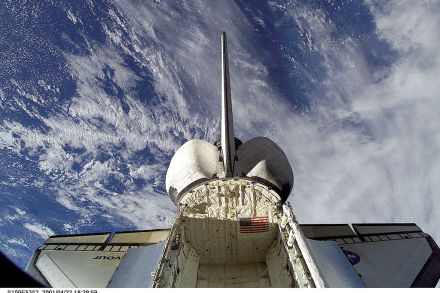
The way I see it, there are two options for the future: a transplanetary society or a transhuman one. What got me thinking about this was right-wing billionaire Peter Thiel’s recent interview with Mary Harrington, which she wrote up in UnHerd. As Harrington puts it, Thiel’s diagnosis of modern social ills is not that “progress is inevitably self-destructive,” but that we’ve been making the wrong kind of progress. "We’ve had continued progress in the world of computers, bits, internet, mobile internet, but it’s a narrow zone of progress. And it’s been more interior, atomizing and inward-focused,” Thiel said. Meanwhile, “there’s been limited progress in the world of atoms.” So far, so good. But then the interview took a strange turn.