Commodity Futures Trading Commission

Is the government deliberately disrupting the prediction markets?

From our US edition

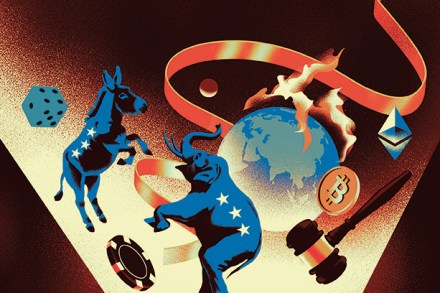
Earlier this summer, I sat barefoot in Berkeley with a dozen aspiring “geopolitical traders,” learning how to make money from war. We were at a conference billed as a “festival for predictions, and markets thereof” – that is, a celebration of prediction markets. The venue, a hippie-ish compound, mostly forbade shoes indoors. Our instructor, Mike, claimed to have grown his money eightfold on Polymarket, mostly by trading on politics. Now he would share his wisdom. Prediction markets were legalized in the United States in 2020 on the premise that they would “allow us, more often than not, to predict the future.” That, at least, is what Kalshi’s marketing copy claims.
Who can blame the White House teleprompter operator, America’s savviest gambler?

From our US edition

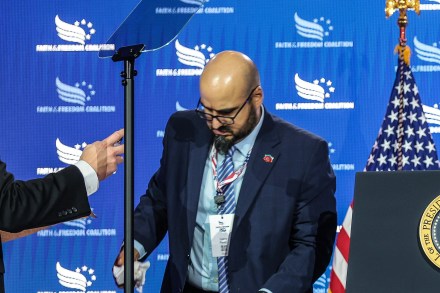
Taking the luck out of betting might lessen the thrill, but it certainly ups the profit. White House teleprompter operator Gabriel Perez allegedly made more than $100,000 by using inside knowledge of the President’s speeches to place bets on prediction market Kalshi, according to ABC News. Perez, who has operated Trump’s teleprompter since 2016, is believed to have placed bets on more than a dozen speeches – including February's State of the Union address. At times, he would even alter the bets mid-speech if he saw that the President was skipping a section on the teleprompter. Cockburn can't help but respect the hustle. His account’s winning streak was tracked and reported to the Commodity Futures Trading Commission, which is now initiating a full investigation.

gabriel perez teleprompter