Class

Is it better to be posh or cool?

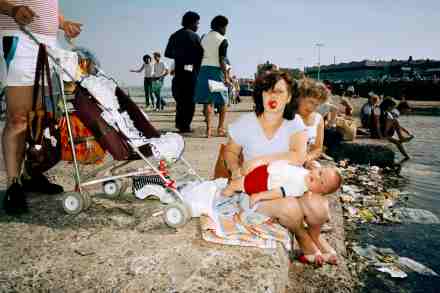
What in twenty-first-century Britain is it better to be: posh or cool? Of course the correct answer is: it’s best to be posh and cool. But posh people, on the whole, tend not to be cool and really cool people aren’t usually posh. But the tribes have a lot in common. They share a certain insouciance, which is a posh word for total indifference to the feelings and thoughts of other people. They are both anti-democratic and anti-meritocratic in spirit and practice. No matter how hard you try and how much money you have, you can’t join the posh or be cool. Like sex appeal, you’ve either got or you ain’t. Defining either group is not easy, but you know when you see it — or in the case of the posh, hear it.

posh

Where to find self-esteem

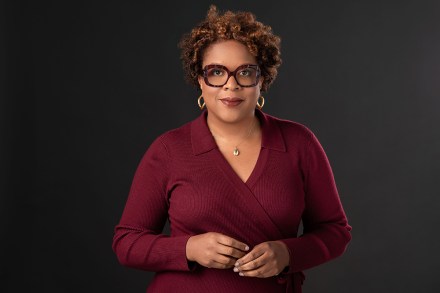
It’s a month before publication day for my second book, Second Class: How the Elites Betrayed America’s Working Men and Women. I start an Instagram account in the hopes of drumming up interest in the book on a new platform. I post a few clips of TV hits from recent weeks and follow a few friends. Instagram immediately recommends an article about how to grow your Instagram following, and I click on it and learn that consistency is key on Instagram. Roger that. Later that day, I find myself arranging my overachiever elder millennial self into an artfully nonchalant pose while stirring a lamb curry I’m whipping up for my regular Shabbat dinner salon. “There once was a Batya,” my husband mutters on his way to the fridge. “Now there’s a content creator.

class

How ‘woke’ hierarchy created an upper-class underclass

It was an uprising of “retards.” That’s what they called themselves, anyway. When followers of the Reddit forum r/wallstreetbets organized en masse to buy shares of the video-game chain store GameStop, they did so in the self-deprecating spirit of very online weirdos. Since digital downloads had taken over the gaming market, billionaire hedge funders had “shorted” GameStop, meaning they’d bet on its brick-and-mortar model to fail. The company’s sudden windfall caused such panic among the good and the great that the ensuing furor ended in a congressional hearing. Impressive for a bunch of dorks who gleefully referred to themselves in meme-laden pep talks as “apes” and “autists.” In January 2021 this was a marquee event.

class

Monkey Man proves fighting the gods is a bloody affair

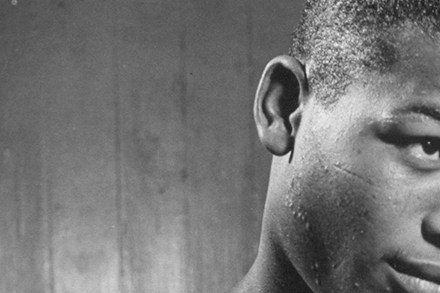
Only a few short years ago, I was a professional bartender working for Michelin-star chefs in fine-dining restaurants and, eventually, serving the social elite in five-star hotels. Most of the known names were genial. Killer Mike and El-P of Run the Jewels were gentlemen. So too were Thundercat and Anderson .Paak — who were particularly keen on my margaritas. Some night porter friends anticipated trouble when they heard Nicki Minaj was staying, but found her to be extremely down to earth, pleasant and normal. Others, however, were not.

monkey man

The next Senate GOP leader won’t be super-rich. That’s a good thing

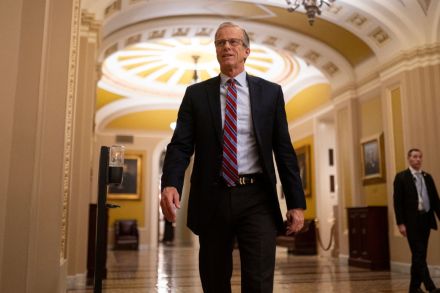
One of the two Johns — John Cornyn and John Thune — is in all likelihood going to be the next leader of the Senate. One may potentially, based on the very favorable map for Republicans this cycle, may be the next majority leader. It’s a massive trade in power, away from the long-tenured Mitch McConnell and his diaspora of consultants and groups, and into the new hands of different Senate staffers and teams. But one thing that Cornyn and Thune represent is not just a generational shift, but a shift in the nature of the leadership and what they represent. Cornyn and Thune were both recruited in 2004 by Karl Rove as part of the effort by George W. Bush to take the Senate.

Why the luxury life feels alien

My path to “media personality” (puke) and cultural commentator was not the usual one. I didn’t get a degree in Journalism or Broadcast Journalism or Communications. I didn’t go to Harvard or Columbia or Syracuse or Yale. In fact, I didn’t get a degree at all. This sets me apart from almost everyone in old-guard media — and were it not for new media and more importantly, social media, I would still probably be excluded by most of the establishment gatekeepers. Our mainstream media and late-night television rooms are dominated by people who went to Ivy League schools. The Harvard Lampoon guys. The Columbia School of Journalism kids.

luxury

Fleeing dysfunctional America

America is sorting itself out by class and kind, back to blood and political pedigree. The demographic trend favors the so-called red states and the metro nodes inside these dominions. Austin, Reno, and Nashville beckon. Meanwhile, academic towns like Eugene, Chapel Hill, and Burlington draw gentry blues trying to escape crazy and crime but who are not in tune with Tulsa or Fargo. For big-city emigrants, fatigue with misgovernment, ill-spent government largesse, and racial disorder are part of the picture. As much as they are seeking uncrowded real estate, runaways are searching for courts, authorities, teachers, and stable neighbors whom they can trust.

The foremost challenge facing Western democracies

A few philosophers since ancient Greece have been wise, scarcely any humble. None at all, to my knowledge, has had the hubris — or maybe courage — to tackle the foremost challenge in political philosophy facing Western democracies today: how to achieve a demotic political system with an elite culture resting on top of the popular one, and the subordinate problem of how to prevent bad culture from driving out good, or making it impossible. Not even Tocqueville addressed the problem, which shows what a wise man the aristocratic Frenchman truly was.

class

Journalism’s class problem has gotten worse

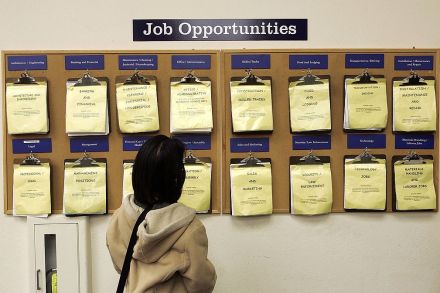
It’s very unlikely that I’d be a reasonably successful journalist today if I hadn’t come from an upper-middle-class family. Fresh out of college, I got a series of non- or low-paying internships. It wasn’t until spring of the following year that I found a staff position with benefits (and a salary of $33,000, which at the time seemed like plenty to live on). Because my parents provided financial support and because I had no debt, I was able to gain the experience and connections that helped launch my career. Somewhere, surely, there is a 37-year-old who is very similar to me and who wanted to be a journalist, but who is now doing something else because it just wasn’t feasible, financially.

class