Canaletto

The truth about artists’ optical aids

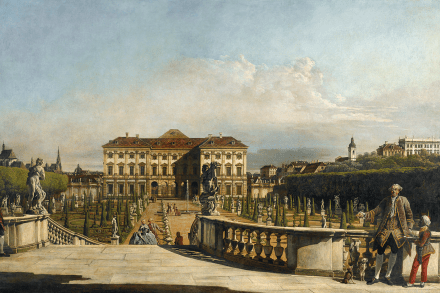
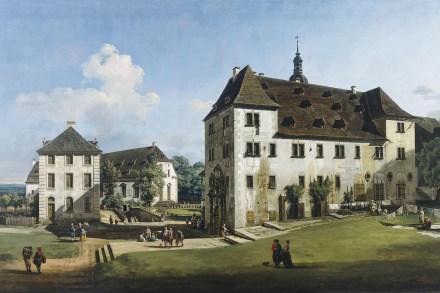
The first thing you see on entering this major new Viennese exhibition is not one of Canaletto and his nephew Bernardo Bellotto’s majestic paintings of London, Venice or Vienna, but a camera obscura. The magical art of both artists depended upon this simple but effective device, which exploits pin-hole projection – an optical phenomenon that had been known since antiquity.  The decision to open the show at the Kunsthistorisches Museum with a deceptively boring little wooden box amounts to a curatorial throwing down of the gauntlet. Because – although I find it hard to fathom – there are still art historians and critics out there who refuse to countenance the

Glorious: Bernardo Bellotto at the National Gallery reviewed

What is the National Gallery playing at? Why, in this summer of stop-start tropical storms, is the NG making visitors — visitors with prebooked, time-slotted tickets, mind — queue outside and in the rain? Why are its cloakrooms still closed and umbrellas forbidden? My husband had to stash his behind a balustrade on Orange Street. Why, with a 1:45 ticket, were we not through the doors until 2:05? Why make your harassed marshals, doing the best they can, shout ticket times and field questions from furious picture-fanciers? Lousy sort of freedom this. The V&A, by the way, is just as bad. I used to roll my eyes at the ‘it’s

How Algernon Newton made great art out of empty streets and dingy canals

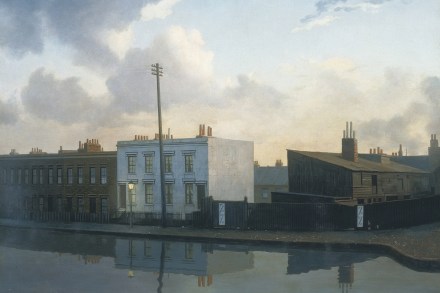
Quite late in life Walter Sickert paid his first visit to Peckham Rye. He was excited, apparently, because he had often heard about it but never actually been there. Evidently Sickert had a sense of London as an unknown city, full of potential. And he was far from being the only artist fascinated by the hidden recesses of this vast urban labyrinth. Algernon Newton, another case in point, was equally fascinated by unfashionable byways of the metropolis. For Sickert it was music halls and dingy bedrooms in Camden that seemed full of visual possibilities; for Newton it was terraced streets and urban water courses, their banks empty of people. Not