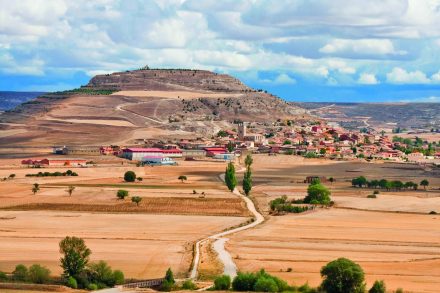
Down Santiago way
Hiking toward the Spanish border on my second day after setting off from Bayonne, I set down my backpack on a grassy patch beside a beach. It was bloody hot — August in the southwest of France — and the sight of beachgoers taking a shower had a cooling appeal. I stripped to my underwear and enjoyed the bracing shower burst. Then I looked down. Water was cascading over what looked like leprosy, breaking out over the right side of my chest. Feeling self-conscious, I got dressed and plodded on. Twenty-five miles later, at the sparkling city of San Sebastián, the pain proved too much. I lifted my shirt to two Portuguese pharmacists — and they pointed me toward the nearest hospital. I had herpes zoster, commonly known as shingles.