British literature

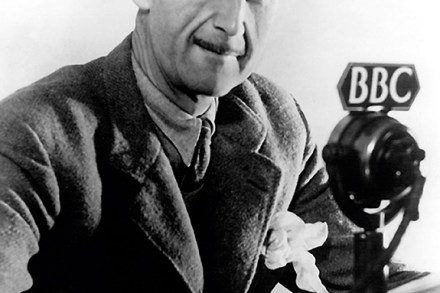
Life lessons from George Orwell

It was the British political journalist Jason Cowley, writing in London’s Sunday Times a month or two back, who posed a query calculated to strike terror into the heart of any self-respecting Orwell-fancier. Were we, Cowley wondered, with the air of one who tosses a Sèvres vase into the air to watch it descend into heap of fragments, approaching peak Orwell? Was the man in whose voluminous output so much of modern political and sociocultural malaise has been refracted losing his sheen? Some Orwellians – myself included – on hearing this would probably respond with a rather handy Latin phrase: si monumentem requiris, circumspice, which loosely translates as, “If you want evidence, buster, then take a look around.
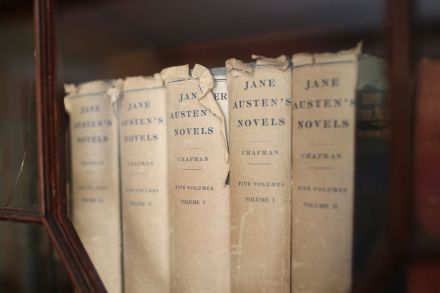
Jane Austen: Rise of a Genius is projecting

Which is your favorite Jane Austen novel? OK, maybe not a conversation prompt appropriate for every setting, but a reliable one, I find, to break the ice at DC dinner parties where I’m not well acquainted with my fellow guests but spy someone who seems likely to know her work. I also ask it of younger fiction writers who come looking for advice about plot construction. I once resorted to it with a stranger, a woman of a certain age, to distract me from my irritation, sitting on an Acela train inexplicably halted outside Wilmington, Delaware, for two hours. She chose Persuasion, Austen’s elegiac account of late-in-life love.

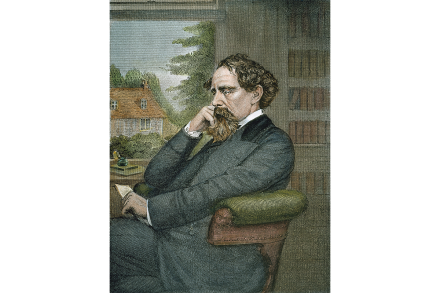
A Charles Dickens patchwork

What connects pistachios, hay, and Mr. Krook in Charles Dickens’s Bleak House? Asked this question on a recent episode of the British TV quiz show Only Connect, the contestants noted all three are prone to spontaneous combustion, although, as one player exclaimed, “I can’t imagine that happening in a novel, but things were different back then.” Novels contain novel imaginings, but people back then were equally skeptical. Dickens eventually had to defend the death of Krook, the sozzled owner of a rag-and-bottle shop, by listing the historical precedents. He knew a thing or two about a rapid reaction between fuel and oxygen that emits a fiery blaze of energy. By night he walked and walked, to still his beating mind.

dickens

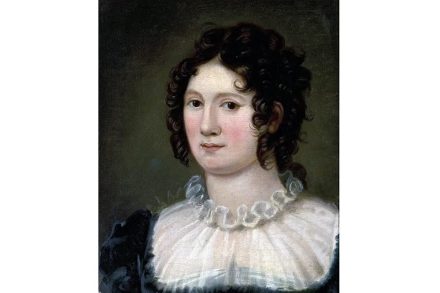
The chameleonic life of Claire Clairmont

Commentary on the young Romantics can be curiously puritanical. Not on saintly John Keats, who died too young to cause any trouble. But Byron and Shelley? Beastly to women, negligent as parents, destructive as friends, oblivious to their own privilege. Feminist observers tend to resemble the English visitors to Geneva in 1816 who borrowed telescopes to spy on the renegade inhabitants of the Villa Diodati across the lake, hoping to be scandalized. A central character in the summer that saw the birth of Frankenstein was the only non-writer of the villa’s gathering, Byron’s young lover and Mary Shelley’s stepsister, Claire Clairmont.

Clairmont