Book review – food history

Cheese and onion pasties: how to make a Greggs classic at home

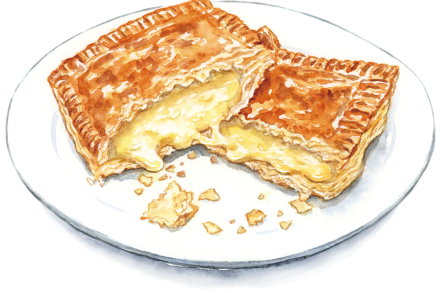
‘That’s not a pasty!’ my husband declares loftily, eyeing up what most definitely is a veritable clutch of cheese and onion pasties emerging from my oven. Handsome, puffed up, golden brown (the pasties, not the husband), filled with a cheese, potato and onion filling, contents threatening to splurge. The steam rises from them like in a cartoon, almost beckoning us towards them. ‘Oh, OK,’ I reply, sweetly. ‘I shan’t trouble you with them.’ He backtracks. No, no, perhaps he was hasty. What did he know about pasties? Shouldn’t he just try them anyway? Crisp, light, golden pastry filled with soft cheesy mash and mellow onions Normally my husband and I

Trump’s attack on the Fed is a pivotal moment of hubris

The phrase ‘trumped-up charges’ dates from the 18th century, I learn, and derives from the Old French tromper, to deceive. It has certainly acquired new resonance with the threat of criminal indictment against US Federal Reserve chairman Jerome Powell, somehow relating to the cost of Fed building renovations. The President says this Department of Justice action has nowt to do with him, but it’s plainly another exercise of what some commentators are calling ‘the Maduro option’: sod constitutional niceties, just drag your opponent into the dock. For all his foreign-policy fireworks, Donald Trump knows November’s US midterm elections will largely be driven by domestic cost-of-living concerns. He has castigated Powell

The simple flatbread that conquered the world

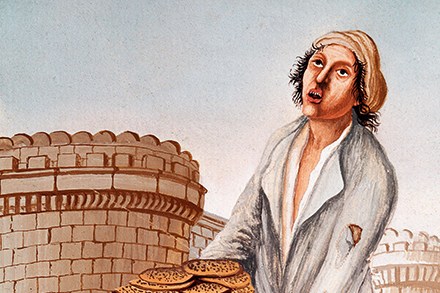
Pizza is the Italian food that has conquered the world. From Brussels to LA, from Beijing to Buenos Aires, pizzerias are everywhere. But what are the origins of this food, and how did it become so popular? Reading Luca Cesari’sbook made me hungry not only for a thin crust margherita but also to digest the wealth of information about this simple dish. The margherita gets its name from Queen Margherita of Savoy, who, in 1889, on a visit to Naples, summoned Raffaele Esposito, the celebrated pizzaiolo (pizza-maker and hawker) to the palace to try his wares. She so liked the one with tomato, mozzarella and basil (made to represent the