Blood

There will be blood – the vital work of field transfusion units

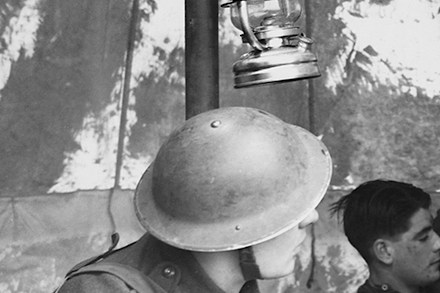
Most conventional World War Two military histories focus on weapons, materiel and even the manpower needed for a decisive victory over Hitler and the Axis powers. Little has been written about blood as a strategic resource. However, a pioneering service of specially trained medics who worked dangerously close to the front lines, pumping blood into the veins of battle casualties, not only saved lives but contributed significantly to winning the war. They did this by returning men to the front line and boosting morale by persuading them that, if wounded, they had the maximum chance of life.
blood

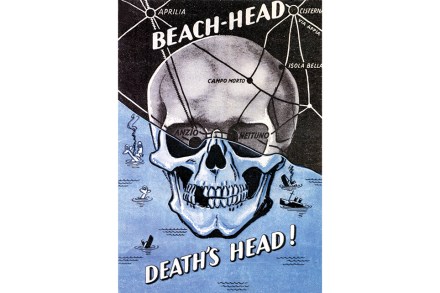
Fighting every inch of the way: the Italian Campaign of 1943

From our UK edition

In Whitehall, visible to even the most short-sighted from the gates of Downing Street, stands an outsize statue of Lord Alanbrooke, the strategic adviser to Winston Churchill during the second world war. His job was to help the prime minister see the big picture and concentrate on the decisions that really mattered. This was no easy task. Churchill was both a tricky master and ‘tinkerman’, but Alanbrooke had Ulster blood and knew how to say no. One little village, San Pietro Infine, took more than a week and 1,500 American casualties to capture He also had a remarkable facility for explaining complex strategic problems in simple terms. There is good evidence of this in the BBC archive (and on YouTube) in a television interview he gave in 1957.