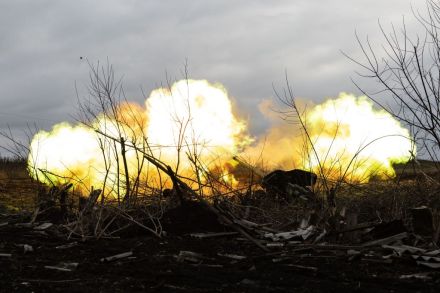
Bakhmut

The intrepid volunteers who risk all to preserve Ukraine’s cultural heritage

‘The nonsense was over at last,’ wrote the Lithuanian-Polish poet Czeslaw Milosz in 1939, as a period of uncertainty gave way to the horrors of the second world war. Charlotte Higgins quotes these words at the beginning of Ukrainian Lessons, describing the outbreak of full-scale war in Ukraine after eight years of ‘local’ warfare in the Donbas and the annexation of Crimea. From the first pages of this profound study of the impact of war on culture, replete with life stories, the author places the Russo-Ukrainian conflict within the context of global cultural history and geopolitics. References to Rwanda in 1994 and the bloody events in Londonderry in 1972 are in no way out of place.
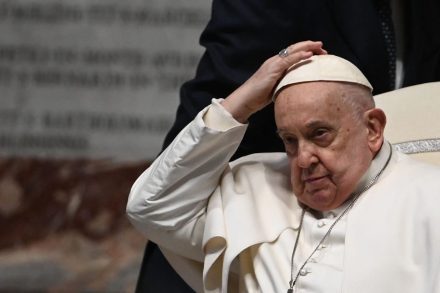
Pope Francis’s Ukraine war faux-pas

If you didn’t know any better, you might think that Pope Francis was no longer welcome in Ukraine. His recent interview with a Swiss broadcaster, excerpts of which were released over the weekend, has caused a whirlwind of disappointment and anger in Ukrainian policy circles as well as with some of Ukraine’s staunchest supporters in the West. The subject of derision: whether Ukraine should do a little less fighting and a lot more talking. Asked to comment about the debate between those who seek a negotiated end to Russia’s two-year-long war in Ukraine and those who oppose such a stance, Pope Francis chose the side of dialogue.

pope francis

Is this the real reason Russia is trying to seize Bakhmut from Ukraine?

From our UK edition

Bakhmut is not of immense strategic importance. It's a backwater, empty of almost all civilian life, and largely in ruins. But the city is where Ukraine’s war of self-defence has been at its most intense for months.  The defenders are suffering, under a hail of artillery fire and under constant threat of attack. But the Russians are losing more. Almost daily, it seems, Putin's forces advance without cover across a moonscape torn with shell-holes. They are cut down in their tens every time. The front line has barely moved in weeks. Russian bodies, uncollected in the cold, litter the surrounding fields.   To Ukrainians and their allies, these suicidal attacks are no longer simply foolish. They are almost disconcerting.