Bahrain

The Gulf states have a big decision to make about Iran

Iran threatened harsh retaliation in the wake of the American-Israeli attacks that killed the country’s supreme leader and many of its senior commanders. Its response consisted of a barrage of missiles aimed at Israel. So far, so predictable. Yet, at the same time, Tehran chose to direct its firepower at neighboring Gulf states, countries that have been encouraging diplomacy and warning against war. Iran’s actions are an object lesson in how to alienate your friends and neighbors. So far, they have continued to employ the rhetoric of de-escalation. But that’s untenable if Iran continues to target their territory The Iranians targeted Saudi Arabia, the United Arab Emirates, Qatar, Bahrain, Kuwait, Oman and Jordan. Explosions rocked the Saudi Arabian capital Riyadh.

gulf

Rebels and whistleblowers: a choice of recent crime fiction

From our UK edition

No one joins the CIA for the money, which might explain the spate of thrillers now emerging from former officers. The latest addition, The Peacock and the Sparrow (No Exit Press, £7.99) by I. S. Berry, comes festooned with praise from other CIA officers turned authors. Set in Bahrain during the Arab Spring, the novel is told in the first person by Shane Collins, a veteran CIA officer nearing the end of his tour there. Divorced, estranged from his son and engaged in a desultory affair with the wife of a colleague, Collins is weary. As his source Rashid declares: ‘This is your problem. You have no expectations... You are like this air. Empty.’ Rashid is one of the leaders of the increasingly restive dissidents in Bahrain, whose corrupt king lives distanced from his subjects.

What Bahrain’s deal with Israel really means

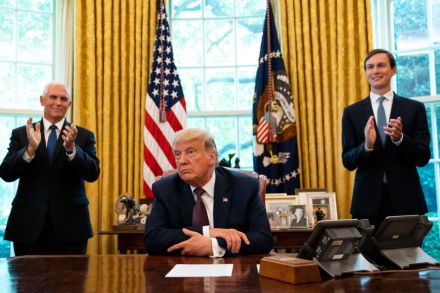
On September 15, representatives from the oil-rich Kingdom of Bahrain will meet Israeli leaders at the White House to sign a historic peace deal. It will normalize relations between the Muslim state and the Jewish one, not long after the United Arab Emirates concluded a similar pact. Expect more such 'normalization deals'. They supplement other White House initiatives, such as the deal it brokered between Serbia and Kosovo, which includes both countries establishing closer relations with Israel. The deals are significant for several reasons. First, they represent a common regional front against the Iranian threat, which has been developing beneath the surface for some time.

bahrain

What Jared Kushner doesn’t get

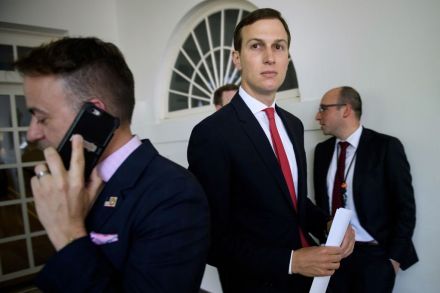
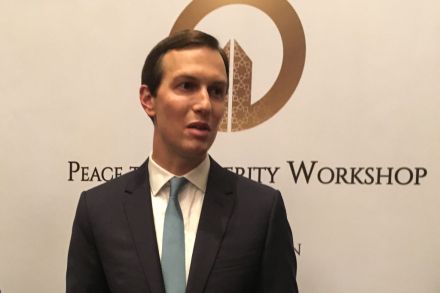
Jared Kushner’s two-day ‘Peace to Prosperity’ workshop in Bahrain, the administration claims, was the first step in resolving the Israeli-Palestinian conflict. Neither the Israelis nor the Palestinians sent delegations. The roll-out of the strategy paper that preceded it was met with near silence. America’s regional partners provided only lukewarm support to Kushner’s efforts and, not least, the workshop was amateurishly misnamed. Kushner believes it’s actually ‘prosperity to peace’ — not the other way around. The workshop’s results, or lack of them, were predictable. But criticism among those who have been down this road before has been muted, partly because of Kushner’s quiet but focused effort to solicit their views.

jared kushner

The baffling oratory of Jared Kushner

The problem of resolving the tangle of conflict in the Middle East is one that has defeated generations of the world’s most experienced statesmen, and resisted the blandishments of its greatest orators. So who better now to step in than a well-groomed thirtysomething New York property developer, offering the 'deal of the century'? There were some hiccups to start with, sure. Jared Kushner launched his 'Peace to Prosperity' workshop in Bahrain with a cocktail party – alcohol not being traditionally the thing with Muslims. And it was boycotted from the off by the Palestinian Authority. Still, he had a bash.

jared kushner rhetoric