Authors

The frustrating rise of celebrities ‘writing’ children’s books

When you are next visiting a bookstore, and find your way to the children’s section, you might be forgiven for thinking that there is no longer such a thing as a children’s author. Instead, you will be ambushed by piles of books blazoned with the names of actors, singers, comedians, DJs and people who generously exhibit themselves on social media. “Writing” a children’s book has become another string to the celebrity bow. Imagine the scene. You’ve married a prince, and opened a shop that sells vaginal eggs. What more is there to do? A-ha, thinks the celebrity, perhaps while she is sitting on a bench. All those untutored minds, eager for moi! My personal brand will bring them such joy, such self-worth! They will all feel seen!

chidren's

Judy Blume steps on the J.K. Rowling landmine

Until a few weeks ago, Judy Blume’s reputation as one of the world’s most admired and respected novelists seemed assured. She has sold over 82 million copies of her twenty-five books, has won countless awards and was named one of TIME’s most influential people earlier this year. But those whom the gods wish to destroy are asked for their views on J.K. Rowling — and so when Blume was asked as much in an interview, she replied, “I love her... I am behind her 100 percent as I watch from afar... I haven’t been in touch with her during this tough time. Probably I should.” This went badly, as might be imagined — “Fuck Judy Blume!

judy blume

The enigmatic rise of Colleen Hoover

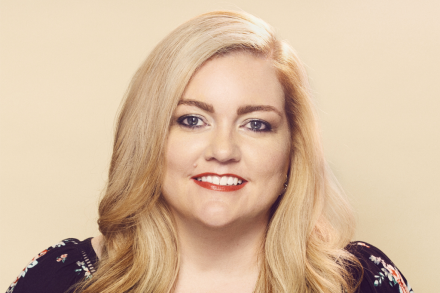
The world’s bestselling author is a forty-three-year-old mom you probably haven’t heard of. In fact, unless you’re an extremely online fiction reader between the ages of sixteen and twenty-four, Hoover is likely to be a bit of an unknown quantity. It’s hard to see how she can stay that way: with 1.1 million followers on TikTok — her fans call themselves her CoHort — Hoover is the platform’s most popular author. As a result of her #BookTok fame, “CoHo” is now the second most followed author on Goodreads; while most authors have a single book on the bestseller list, Hoover dominates with multiple books at a time. In late January this year, her books held three of the top five spots on the New York Times bestseller list.

colleen hoover

Joyce Carol Oates, a woman for all seasons

Midway through my conversation with the eighty-four-year-old Joyce Carol Oates, one of the most prolific writers America has ever seen (fifty-eight novels, plus plays and children’s books), and now one of its more unpredictable tweeters, with over 226,000 followers, I ask what it’s like being having been one of the country’s “major” literary figures for so long. Oates’s classic 1966 short story “Where Are You Going, Where Have You Been?” about the kidnap and possible murder of a sixteen-year-old girl, and her 1992 Pulitzer-nominated novella Black Water demonstrate her grasp on the dark side of the twentieth-century American psyche.

Oates

Free expression after the Rushdie attack

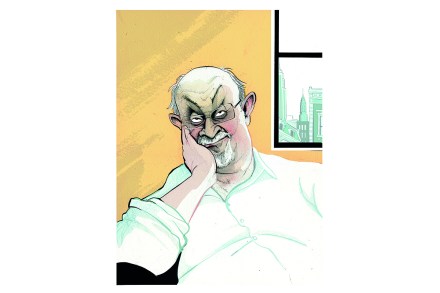
In an interview with Stern magazine at the end of July, Sir Salman Rushdie was asked about the current circumstances of his life. Given that this is a question that he has faced since 1989, Rushdie might have been expected to respond with boredom, even irritation — as, understandably, he has done in other public conversations, when the subject of the fatwa that he has been under for nearly three and a half decades has been raised by an inquisitive or prurient journalist — but he responded with reasonably good cheer. Describing his everyday existence as “very normal,” he even ventured a light-hearted remark, saying, “A fatwa is a serious thing. Luckily we didn’t have the internet back then. The Iranians had to send the fatwa to the mosques by fax.

Rushdie

Standing with J.K. Rowling

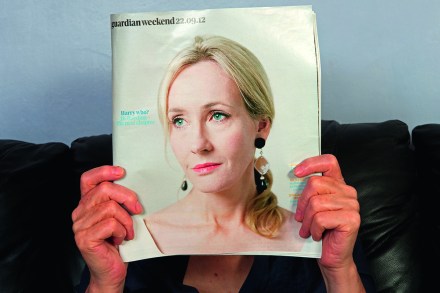
When Roland Barthes wrote his 1967 essay “The Death of the Author,” he probably didn’t intend that, fifty-five years later, a major American news outlet would be provocatively suggesting that the world’s bestselling author should be de-personed, de-platformed or de-materialized from history. And yet that is exactly what has happened with the New York Times. They recently ran a series of advertisements on the subway featuring a reader named “Lianna” who is, as much of their subscriber base now are, “breaking the binary,” experiencing “queer love in color” and meditating on “heritage in rich cues.” So far, so predictable. But the ads took a grimmer turn when one suggested that Lianna was “imagining Harry Potter without its creator.

Rowling

The death of literature

The greatest men make the greatest mistakes. One thinks of the late John Lukacs, the Hungarian-American historian who claimed that the age of the book is at an end. That is far from being the case, the electronic book having failed to drive the print version to extinction as enthusiasts had predicted. Indeed, the continuing flood of printed and bound books remains among the greatest threat to books today — good books, that is, books worth an intelligent man’s time.

literature