Labour’s latest plan: tackling the deficit through gun licence fees
listen to ‘Chris Leslie says Labour will cut the deficit through gun licences’ on audioBoom.

listen to ‘Chris Leslie says Labour will cut the deficit through gun licences’ on audioBoom.
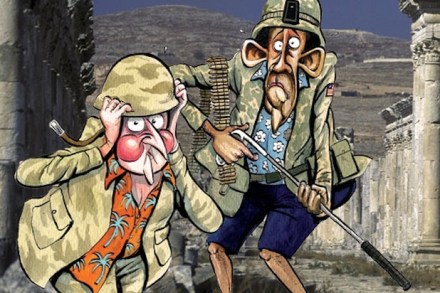
Iraq and Syria are lost causes: Western intervention can’t help. Well, at least that was the motion put forward on Wednesday evening at a Spectator debate, in association with Brewin Dolphin, and chaired by Andrew Neil.
“It’s part of the energy of nationalism,” sighed Jim Murphy on Newsnight. “They’re never knocked down.” He’s right, and that that is why the Scottish referendum polls show the gap between the two narrowing - YouGov has that gap at 6 points, down from 22 last month. If even Labour’s Jim Murphy accepts that the momentum is with the nationalists – and says that the momentum is with them because they are nationalists – then it’s a rather depressing state of affairs. Where is the passion and energy of the campaign to save the United Kingdom?

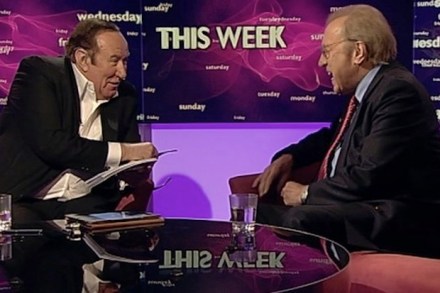
Today’s papers are full of tributes to the broadcaster David Frost, who passed away yesterday at the age of 74.
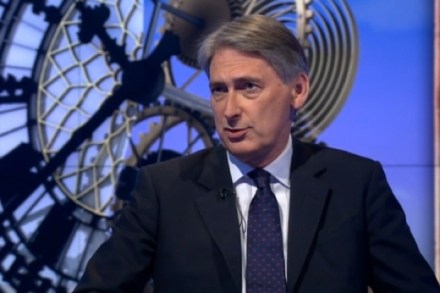
Philip Hammond's promotion to Foreign Secretary means that we now have a Foreign Secretary who is on the record as saying he would vote to leave the EU unless substantial powers are returned. This is a major challenge to Foreign Office orthodoxy.
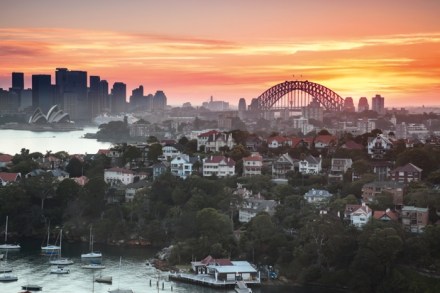
No rest for the wicked. We touch down before dawn in Sydney after a 22-hour flight and by 7 a.m. I’m live on radio 2GB with Alan Jones. I’m aware talk radio is big in Australia — as you’d expect in a country full of refreshingly forthright people — and Mr Jones’s breakfast show is one of the biggest. Predictably, talk turns to the visit of the Duke and Duchess of Cambridge. Aussie commentators are a bit sheepish about it all. Only 15 years ago, supposedly informed opinion, on the left and the right, confidently predicted that Australia would be a 21st-century republic. They were confounded — disgusted, even — when folks voted in a referendum to keep the monarchy.
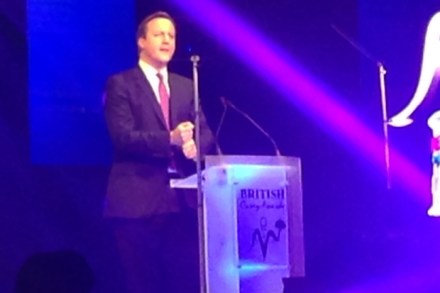
You know how it is, you pop out for curry and a pint, and you end up pledging to soften Britain’s immigration rules live in front of a global TV audience of millions. Speaking at the packed British Curry Awards in Battersea on Monday night, David Cameron told a thousand restaurateurs: ‘Like any industry this one faces its own specific challenges and I know that there have been questions on immigration and getting chefs with the necessary experience. So let me promise you this, we will work through this together. We'll continue to help you get the skilled Asian chefs you need.’ Interpreting this concrete pledge, the agency wires reported this as a policy announcement, though it had been toned down by the time the curry was served. With a £3.
Were Margaret Thatcher's relationships with foreign leaders as straightforward as they appeared to the public? In this week's Spectator cover feature, Pavel Stroilov provides a special insight into one particular relationship — Mikhail Gorbachev. Stroilov reveals the official Kremlin records of what Thatcher said to Gorbachev behind closed doors. On our View from 22 podcast, Thatcher biographer and advisor Robin Harris analyses her foreign policy legacy with Fraser Nelson, examining her relationship with world leaders, the personal and political differences that existed and the lessons the world today can take from her.

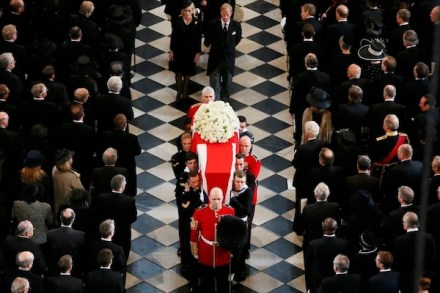
In tomorrow's View from 22 podcast, BBC presenter and Spectator chairman Andrew Neil discusses attending Margaret Thatcher's funeral, the significance of the event in British history as well as his personal encounters with the former Prime Minister. We're delighted to bring you the interview below. Subscribe to the View from 22 here to receive the whole episode first thing tomorrow morning, featuring Baroness Thatcher's biographer Robin Harris and Spectator editor Fraser Nelson on the lesser known side of her foreign policy.
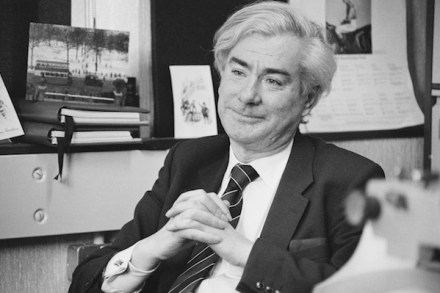
A memorial service was held today for Sir Alastair Burnet at St Martins-in-the-Fields in Trafalgar Square. Hundreds of family, friends and colleagues from the worlds of politics, print journalism, broadcasting and horse racing turned out to pay their respects and celebrate his life. Andrew Neil gave the eulogy along with Sir David Nicholas, Alastair's editor at ITN, and Alastair Stewart, one of his protégés at ITN. This is Andrew's tribute to his friend, colleague and mentor. I first met Alastair in the autumn of 1972. He was Editor of The Economist. I was looking for a job. He offered me a whisky. It was three in the afternoon. But I thought it churlish to refuse. Maybe even a bad career move.

The BBC crisis continues to dominate the airwaves. George Entwistle’s £1.3 million payoff has set outraged tongues wagging. Tim Montgomerie has collected the furious comments made by several Tory MPs. Much of the rest of the press pack has followed suit, saying that the severance deal is yet another self-inflicted wound by BBC management. Meanwhile, Helen Boaden and Stephen Mitchell, who are respectively the director and deputy director of BBC News, have stepped aside pending the results of the Pollard inquiry. David Dimbleby told the Today programme that he couldn’t understand why George Enwistle resigned, adding that the continuing fallout from the Savile scandal is not the greatest disaster to befall the BBC.