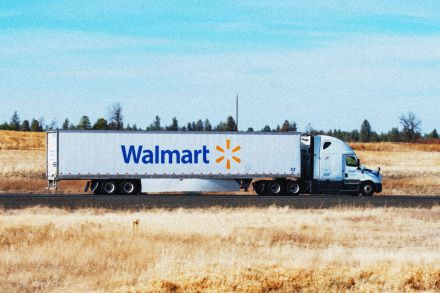
My Memorial Day pilgrimage to a Pennsylvania Walmart
Here in the US, Memorial Day – which falls on the last Monday in May – is, officially, an occasion for mourning and honoring military personnel who have given their lives in service to this great country. Unofficially, it is an occasion for charred hot dogs, 24-packs of Bud Light and nationalistic merchandising usually confined to airport gift shops. In our household, however, Memorial Day marks something different entirely. It’s the day we make our annual pilgrimage into the heart of consumer capitalism: a Walmart in East Stroudsburg, Pennsylvania. By now you might know that I live in Manhattan. You might, therefore, be wondering why exactly we’ve adopted this strange ritual, necessarily involving a rental car and gridlocked traffic on the George Washington Bridge.